Blog
7 Essential Pieces of Backpacking Dinnerware Every Hiker Needs
Trail
meals feel far better with a kit built for real backcountry use. Hikers count
every ounce across long miles of rocky, uneven ground. A stove and a pot alone
leave clear gaps at supper time.
Smart
backpacking dinnerware fills those gaps across
multi-day routes in remote country. According to the Outdoor Industry
Association and the Outdoor Foundation's Outdoor Participation Trends Report,
outdoor recreation will reach a record high of 183.2 million Americans by 2025.
Seven small items separate a rushed trailside snack from a proper camp dinner,
and each one holds its place for a clear reason.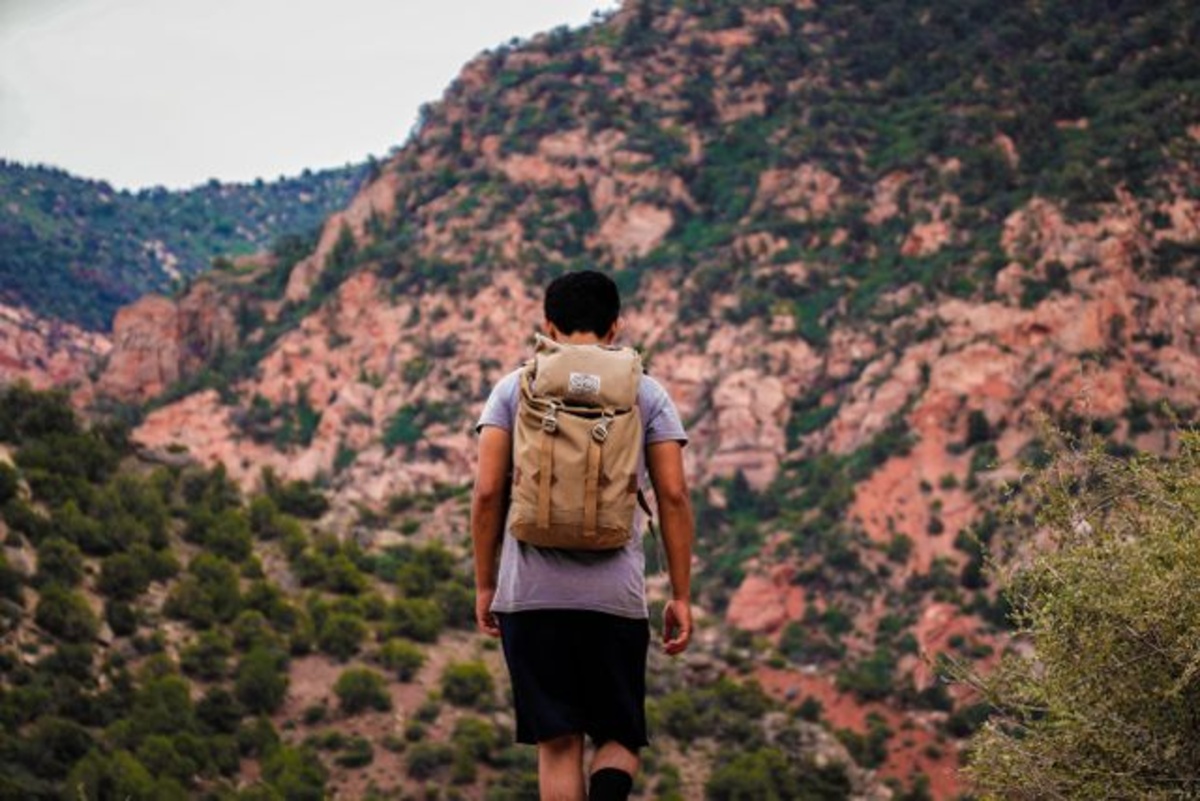 Photo by Germain Rodriguez
1.
A Sturdy Bowl for Every
Backcountry Meal
A
bowl absorbs the largest share of meals across a full backcountry trip.
Rehydrated pasta, thick soup, and hot oats settle into deep sidewalls with
ease. Medium sizes suit single servings for most adult walkers on multi-day
routes.
Food-grade
plastic versions and stainless steel versions hold hot contents safely.
Cool-grip fins along the outer wall allow a firm hold at the base. Deep walls
also reduce spills on the uneven ground around a campsite.
● Deep sidewalls for wet meals
such as stew or chili
● A wide base for a stable rest
on rough terrain
● Volume marks for accurate
water ratios at supper
2. A Plate Keeps Trail Portions Separate
A
plate suits meals with distinct parts, such as tortillas, fish, and rice. Wide,
flat surfaces give walkers room for a full spread at dinner. A raised rim holds
sauce inside the plate through a windy evening.
Slim
plate options fit solo travel with a small pack and tight volume limits.
Stainless versions resist scratches across many seasons of hard outdoor use. A
plate also serves as a lid over a warm pot in cool weather.
3.
The Versatile Cup for Hydration
and Hot Drinks
A
cup is used for hydration, hot liquids, and simple measurement activities at
camp. Collapsible variants fold into a small disk to fit inside a pot cover.
Ultralight variants weigh extremely little, providing a significant advantage
on lengthy alpine approaches.
Volume
markings on the inside wall indicate water ratios for freeze-dried foods.
Hard-sided cups stack within a pot to create a tidy kit that does not rattle. A
spare cup allows for shared evenings over the stove with a trail partner.
4.
An Insulated Mug Holds Heat Much
Longer
An
insulated mug keeps coffee warm through a frosted sunrise at altitude. Double
walls slow heat loss for a wider window of comfort outdoors. Most backpacking
dinnerware ranges include a mug with a secure lid.
That
lid limits splashes along a rocky walk back to the tent. The same vessel holds
broth on a cold, wet afternoon in the hills. One mug per person prevents a
queue at the stove each dawn.
5.
Light Cutlery Replaces Improvised
Tools
A
spork covers most camp meals with a single tool in hand. A small knife handles
cheese, sausage, and stubborn wrappers at supper. Long handles reach the base
of a tall freeze-dried pouch with ease.
Titanium
and hard polymer versions survive years of rough backcountry use. Nested
storage keeps utensils clean inside the wider kitchen kit. Spare cutlery weighs
almost nothing across a full week on foot.
Two Utensils Cover
Nearly Every Meal
● A spork for hot food served
straight from a pouch
● A compact knife for cheese,
bread, and firm trail produce
6.
Collapsible Pieces Save Space In A
Pack
Collapsible
bowls, plates, and cups can be folded flat between meals at camp. Those parts
nest as a single narrow stack inside a loaded pack. The stored room contains
more food, fuel, and a warm layer. Rigid versions remain rigid at full size
throughout excursions outside of a vehicle. Silicone walls with a strong rim
maintain shape even when fully loaded with stew. Thru-hikers with limited
volume benefit the most from flat storage.
7.
A Mesh Sack Keeps The Entire Kit
Tidy
After
a meal, a mesh sack gathers everything into a single bundle. An open weave lets
air circulate after a fast rinse at the water source. Damp plates dry in the
backpack during an afternoon hike to camp.
Several
six-piece sets come with a sack inside the box. Grit and food residue should
not be found on sleeping bags or spare garments. Hikers can locate the entire
gear in seconds inside a laden pack.
Camp
meals improve with a kit matched to the route, season, and group size. Careful
backpacking dinnerware choices trim pack weight without a drop in comfort. Each
item repays its space across long days on rough terrain. A calm, warm supper
turns a hard march into a real rest.
FAQs
Do collapsible camp
bowls hold hot meals safely?
Every piece across these lines handles hot food at camp. Cool-grip fins along the sidewall allow a firm hold from the base.
Which pieces suit a
dishwasher at home?
The
Passage collection accepts a full dishwasher cycle. Frontier pieces and Detour
pieces belong at the sink for a hand wash.
Which pieces suit a
solo hiker with a strict weight limit?
A
Frontier bowl and cup cover most trail meals at minimal weight. A spork
completes the kit for long routes with a small pack.
Photo Gallery


Comments