Blog
9 Criteria for Finding the Best Bank for All Your Financial Needs
Choosing
a bank is one of the most important financial decisions you’ll make. No matter
if you’re opening your first savings account, applying for a credit card, or
planning long-term investments, the right financial partner can make managing
your money easier and more secure. There are many options available to
discerning consumers in the Philippines, and while this is a good thing, it can
also make the task of selecting the right bank more challenging.
It’s
essential to take a closer look at what each bank offers so you can find one
that meets your current needs while supporting your future goals. Below are key
criteria you can use to assess your options and identify the best bank in the Philippines
for your financial journey.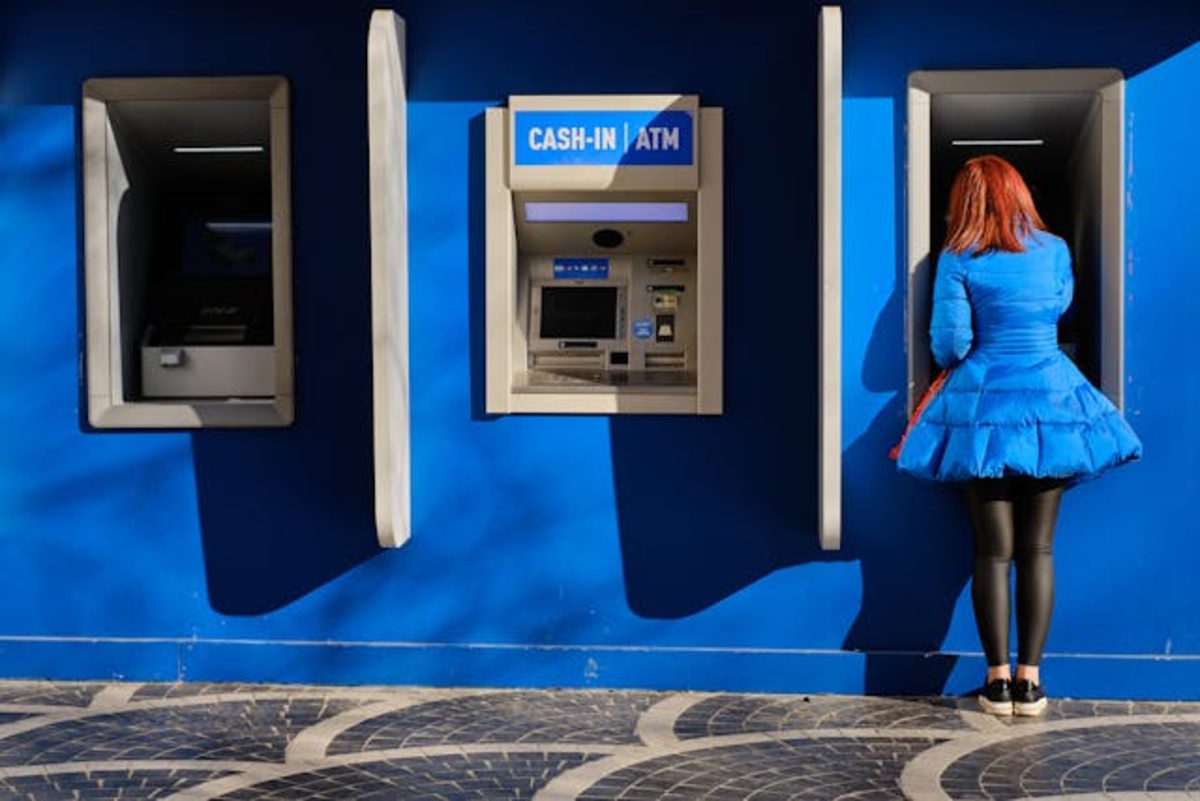
Photo by Aleksandr Firstov
1.
Range of Services Offered
A
good bank should provide services that fit your everyday and long-term
financial needs. Evaluate your options by checking their services. For
instance, leading digital bank Maya offers high-interest deposit accounts,
loans, credit cards, investment options like time deposits and crypto, and an
e-wallet. A bank like this that offers a wide product range lets you grow your
finances and manage multiple aspects of your life, all in one place.
2.
Accessibility and Convenience
Next,
consider how easy it is to access your bank. Are there branches or ATMs near
your home or workplace? Do they have extended hours or partner outlets? Beyond
physical convenience, digital accessibility matters too. The best banks now
offer seamless online and mobile banking platforms that let you send money or
check your balance in real time.
A
strong digital presence saves time by keeping your finances at your fingertips.
Having this level of accessibility, in turn, helps you stay on top of your
accounts anytime and anywhere.
3.
Security and Reliability
Trust
is everything when it comes to banking. After all, you wouldn’t entrust your
finances to an entity that you have no confidence in. To separate the wheat
from the chaff, so to speak, check your banking options if they’re supervised
by the Bangko Sentral ng Pilipinas (BSP). A BSP-supervised financial
institution (BSFI) like Maya operates under strict financial standards and has
safeguards in place to protect customers’ deposits. Always confirm that your
bank is a BSFI, as it’s a sign that your money is in safe hands.
You
should also check whether the bank uses security features such as encryption,
multi-factor authentication (MFA), and fraud monitoring. These systems protect
your information and transactions from unauthorized access.
4.
Interest Rates and Fees
Interest
rates directly affect how fast your savings grow or how much you’ll pay on
loans and credit. It’s important to compare rates among banks to see which one
gives you better value. Also, take note of maintenance fees, withdrawal
charges, and other service costs that might reduce your earnings over time.
For
savings accounts, a slightly higher interest rate can make a big difference in
the long run, especially if you’re planning to build an emergency fund or
invest in time deposits.
5.
Customer Service Quality
Good
customer service can make or break your banking experience. At the same time,
reliable service is a clear sign that a bank values its clients’ time and
trust.
Look
for a bank that offers efficient support, be it online or in-person. You’ll
want to deal with representatives who are responsive, patient, and capable of
addressing your concerns quickly. Some banks even offer chat support through
their mobile apps, helping you resolve issues ASAP, wherever you are.
6.
Reputation and Stability
Before
committing to a bank, learn more about its reputation. Has it been around for a
long time? What do customers say about their experience? A bank’s track record
of financial stability can reassure you that it’s well-managed and capable of
withstanding market shifts.
You
can also look into the awards and recognitions the bank has received from
locally or internationally acknowledged authorities. Such achievements usually
reflect its commitment to good governance and customer satisfaction.
7.
Digital and Mobile Banking Features
Modern
banking goes beyond the branch, so you should look into a bank’s mobile and
online platforms. These let you handle transactions anytime, from anywhere.
Look for features such as QR payments, fund transfers, digital wallet
integrations, and instant account monitoring. Some banks even allow cardless
withdrawals or in-app loan applications, which can further simplify your
financial management. Having these tools at your disposal saves time and makes
day-to-day transactions more convenient.
8.
Loan and Credit Options
If
you plan to make big purchases or need extra financial flexibility in the
foreseeable future, explore your bank’s loan and credit card offerings. Some
banks provide lower interest rates or flexible payment terms for loyal clients.
Others offer reward systems or cashback for credit card transactions, which can
help you get more value.
When
managed wisely, credit can support your goals, such as education, home
ownership, or business expansion, without putting you under unnecessary
financial strain.
9.
Community and Sustainability Efforts
Many
consumers today prefer banks that share their values. Some financial
institutions invest in green initiatives and financial literacy programs, while
others are more actively engaged in local community projects. Supporting a bank
that prioritizes sustainable growth can make you feel more confident that your
money contributes to positive change. This sense of shared purpose can also
strengthen your long-term relationship with the institution.
Building
a Lasting Financial Partnership
Choosing
the right bank is about finding a financial partner you can rely on as your
needs evolve. A trusted bank helps you save smarter, borrow responsibly, and
down the line, invest with confidence. Making the right choice now can make all
the difference in building a stable financial future for yourself and your
family.
Photo Gallery


Comments