Blog
A Homeowner's Guide to Florida Roof and Storm Readiness
Eight hundred dollars.
That was what a friend of mine paid a handyman to patch her roof after a bad
June storm, and she felt lucky. Three weeks later the same leak showed up in
her dining room ceiling. The patch, it turned out, was covering a bigger problem
that never got fixed.
Here's the deal with
roofs on the Gulf Coast: they take a beating, and the damage doesn't always
announce itself. If you live anywhere near the water, you already know the
drill. Salt air, humidity, and hurricane season do a number on shingles, seals,
and flashing. The good news is that most of the worst outcomes are preventable.
You just have to know what to look for and when to call in help. For anyone in
Sarasota County specifically, working with experienced Venice, FL roofing companies means you get someone who understands the local
climate and the building codes that go with it.
This guide walks through
the practical stuff: how to read the early warning signs, what to check before
a storm rolls in, and how to decide between a repair and a replacement. No
scare tactics, just the things that actually matter.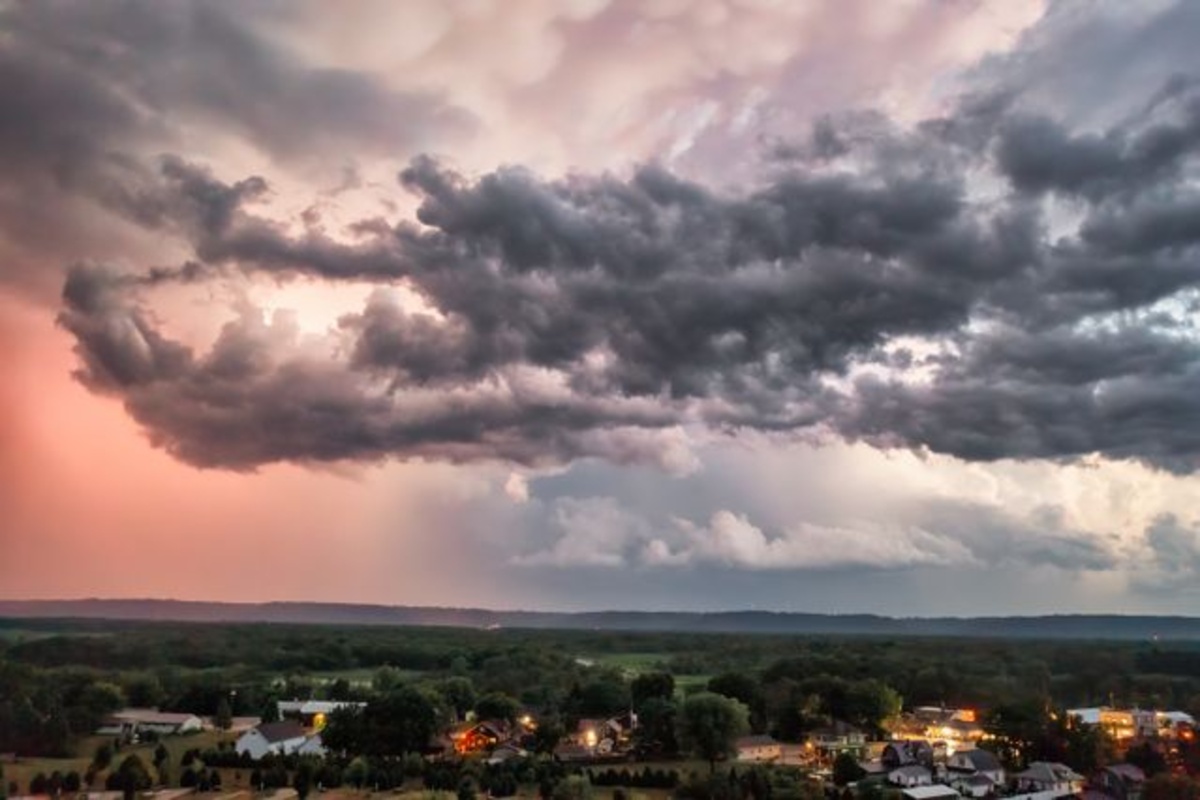
Photo by Tom Fisk
Why Florida Roofs Age Faster Than You'd Expect
UV exposure is the silent
killer. Down here, the sun doesn't just fade your paint. It breaks down the
oils in asphalt shingles, dries out sealants, and makes caulk crack years
earlier than it would in a milder climate. Add in the salt air near the coast and
you've got a one-two punch that shortens roof lifespans significantly.
Then there's the rain.
According to the National Weather Service, Florida ranks among the wettest states in the
country, and the summer afternoon storms aren't gentle. They dump water fast,
and if your drainage isn't working, that water finds its way in.
What I'd tell any
homeowner: stop thinking of your roof as a set-it-and-forget-it product. It's a
system. And once a year, it needs your attention.
Warning Signs You Should Never Ignore
Most roof problems give
you hints before they turn into emergencies. Here are the ones worth taking
seriously:
●
Stains on ceiling
or walls, especially after heavy rain
●
Granules
collecting in gutters or at the bottom of downspouts
●
Curling,
cracking, or missing shingles visible from the ground
●
Daylight showing
through the roof deck from inside the attic
●
A musty smell in
the attic or upper rooms
That last one is easy to
dismiss because it comes on slowly. But persistent dampness up there usually
means water is getting in somewhere. I'd rather pay for an inspection than a
mold remediation bill, and I suspect you would too.
Before the Storm: A Simple Prep Checklist
You don't need to be a
roofer to get your house ready for hurricane season. Here's what you can
actually do yourself:
1.
Clear your
gutters and downspouts. Standing water backs up under the roof edge.
2.
Trim tree
branches that hang over the roof. A broken limb does more damage than wind
alone.
3.
Check the attic
for existing leaks or soft spots in the decking.
4.
Look at your
flashings around chimneys, vents, and skylights. Those are the usual suspects.
5.
Take photos of
your roof from a few angles. You'll want them for insurance if something
happens.
Notice what's not on the
list: climbing up there yourself. Falls are a real risk, and the view from the
ground tells you plenty. If something looks off, call a professional.
When to Repair vs. Replace
This is where a lot of
homeowners get stuck, and honestly, it's the question I'd want answered first
too. The answer depends mostly on age and extent.
If your roof is under ten
years old and the damage is isolated to one section, a repair makes sense. If
it's over fifteen and you're seeing multiple problem areas, patching becomes a
losing game. You're paying for a fix today and another one next year.
Florida's building code
adds another layer here. The Florida Building Commission sets standards for wind resistance and installation
that contractors have to follow, especially in coastal counties. A roof that
wasn't installed to current code may not hold up the way you'd hope.
A Quick Decision Framework
|
If your roof is... |
And the damage is... |
Then lean toward... |
|
Under 10 years old |
One isolated area |
Repair |
|
10 to 15 years old |
Localized but recurring |
Get both quotes |
|
Over 15 years old |
Widespread or repeated |
Replacement |
|
Any age |
Storm damage with
insurance claim |
Full inspection first |
I'd get at least two
opinions before committing to anything major. Not because contractors are
dishonest, but because perspectives differ. One might see a repair, another
might see the beginning of a bigger issue.
The Part People Skip: Roofing and Energy Bills
A tired roof doesn't just
leak. It also lets heat in. If your attic is baking all summer and your AC runs
nonstop, the roof could be part of the problem. The U.S.
Department of Energy notes that
proper insulation and ventilation work together with the roofing system to keep
a home comfortable and efficient.
When you're already
replacing a roof, it's the smartest time to fix attic ventilation. You're not
paying twice for access, and the impact on your summer electric bill can be
noticeable.
What Good Contractors Actually Do Differently
Here's my take, and I'll
commit to it: the contract matters more than the bid. A cheap estimate with
vague wording is a red flag. What you want is clear scope, a timeline, and a
written commitment to cleaning up when the job's done.
Ask specifically about:
●
Whether they pull
permits (they should)
●
How they handle
debris removal
●
What happens if
they find unexpected damage mid-job
●
Whether there's a
workmanship warranty separate from the material warranty
●
How they
communicate progress
Two of those questions
are things I've never seen a homeowner ask in a first phone call, and yet
they're the ones that prevent the most headaches.
Seasonal Timing: Does It Actually Matter?
It does, but not the way
most people think. You can get a roof replaced almost any month in Florida.
What matters is scheduling around the rainy season. If you're aiming for a
September or October install and a tropical system is brewing, expect delays. Contractors
get slammed after storms, and the good ones book out fast.
The best window? Late
winter through early spring. The weather's calmer, crews aren't overloaded, and
you're not competing with emergency repairs from the last storm.
Bottom Line
Your roof is one of the
few things in your home that protects everything else. Ignore it long enough
and it stops doing its job, and then you're paying for damage you could've
prevented. Check it each year. Take photos. Ask questions before you sign anything.
And when in doubt, bring in someone who does this every day.
What's the last thing you
checked on your roof? If you can't remember, that's your answer for this
weekend.
Photo Gallery


Comments