Blog
A Smarter Way to Plan Whole-Home Water Treatment
Scale on a showerhead, grit in a faucet aerator, and odd-tasting drinking water may appear in the same house, but they rarely call for the same fix. A sediment filter cannot soften hard water; a softener cannot replace a drinking-water filter.
The challenge is deciding what belongs at the main water line, what belongs at the kitchen sink, and how either will fit the plumbing—especially when building a home or renovating an older one.
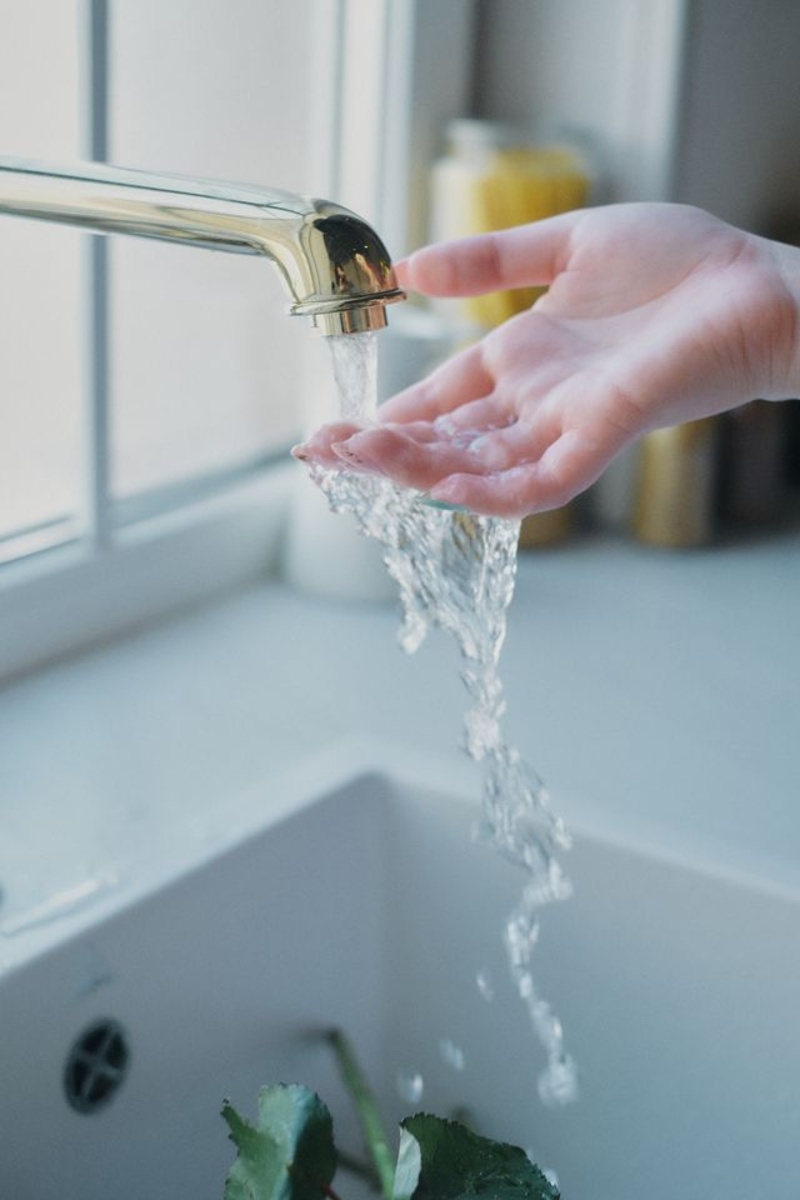
Photo by ZUMRAD NORMATOVA
Find the Problem Before Choosing Equipment
Start with the water supplier's quality report, then test at the tap for anything the report cannot tell you, such as household-specific hardness or concerns linked to plumbing. Consumer Confidence Reports describe regulated contaminants in public water supplies.¹
Hardness is one useful number to have. The U.S. Geological Survey classifies water at 121–180 mg/L as calcium carbonate (about 7–10.5 grains per gallon, or gpg) as hard, and levels above 180 mg/L as very hard.² If your result is 8 gpg and scale keeps returning, a softener deserves consideration. Its capacity, however, must also reflect daily water use. A test strip can flag a possible issue, but a calibrated drop-count test or laboratory result is more useful for accurate sizing.
Grit needs a different investigation. Particles at several fixtures may come from the incoming supply; rust appearing at one tap may originate in the home's pipes.
When a Filter and Softener Make Sense Together
For a home with both sediment and hardness, a whole-house sediment filter followed by an ion-exchange softener is a common approach. The filter traps particles within its rated capabilities; the softener reduces calcium and magnesium that contribute to scale. Prefiltration can also limit the sediment reaching downstream equipment.³
Electrolux illustrates this arrangement with its Whole House Filtration & Softener Combo. Its dual-stage filter and smart softener handle separate treatment tasks rather than claiming that one device does everything.
Ask about flow before ordering. A filter's GPM rating should cover periods when showers, taps, and laundry run together. Also request pressure-drop information at that flow: even a correctly sized cartridge adds resistance, especially as it loads with sediment. For the softener, compare capacity, regeneration requirements, salt use, and access to a drain. A clogged filter can also mimic low supply pressure, so consider how often the cartridge will need checking.
New Homes: Plan the Connections Early
Building a new home is an ideal opportunity to plan water treatment before the plumbing and cabinetry are finalized. A few decisions made early can save considerable installation work later.
● Make room for whole-house treatment. Choose an accessible location near the incoming water main for filtration and softening equipment. Allow space for cartridge changes and salt refilling, along with a bypass valve, drainage, and power connections where needed.
● Think about where water is used. Bathrooms, laundry appliances, and outdoor faucets don't necessarily need the same treatment. For example, irrigation lines can often bypass the softener, while kitchen drinking water may benefit from a separate RO system.
● Prepare the kitchen for future upgrades. If under-sink RO is being considered, plan for a dedicated faucet, drainage, electrical access if required, and enough cabinet space for maintenance. Even if the system isn't installed immediately, these preparations can make future upgrades easier.
For homeowners considering a more comprehensive setup, Electrolux's Whole Home Complete Water Combo brings together entry-point filtration, water softening, and kitchen RO, with standard and instant-hot RO options. It offers a practical example of how different water-treatment stages can be incorporated into a home's plumbing plan from the outset.
Older Homes: Check the Pipes First
Upgrading water treatment in an older home takes more planning than installing equipment in a new build. Aging pipes, limited space, and existing water pressure issues can all affect what works best.
● Check the plumbing before adding equipment. Low water pressure may be caused by corroded pipes, restricted valves, or aging connections. Have a plumber assess the system's condition and dynamic pressure before installing a whole-house filter, which could add further resistance to water flow.
● Find out where water quality problems begin. Rust-colored water may come from deteriorating pipes rather than the incoming supply. Older plumbing materials can also introduce lead after water passes through a main-line filter. If lead is suspected, testing and source investigation are essential, and a point-of-use filter certified for lead reduction can provide additional protection.⁴
● Make upgrades manageable. Limited utility-room space or difficult pipe access may make a complete system replacement impractical. Address the most pressing water concern first, while considering whether future equipment can be installed without extensive plumbing changes.
For older homes with limited installation space, Electrolux offers a flexible approach to water treatment through its range of whole-house filtration, water softening, and under-sink RO systems. Homeowners can address specific concerns without replacing the entire setup at once. For example, the compact PureEssence Eco 600 provides targeted drinking-water filtration where kitchen space is limited, while whole-house treatment can be considered separately as plumbing conditions and household needs allow.
Match the Setup to the House
A whole-house filter's GPM figure measures flow; an RO system's GPD figure describes rated daily production. They should not be used interchangeably when assessing whether equipment can keep up with a household.
Five Questions for the Installer
1. What is actually in the water? Request the test results, not only a description of how the water looks or tastes.
2. What happens at peak demand? Compare the filter's service GPM and pressure drop with simultaneous household use.
3. Where will maintenance happen? Identify bypass valves, drains, outlets, and clearance before installation.
4. Which claims are certified? NSF/ANSI 42 covers certain aesthetic claims; 44 covers residential ion-exchange softeners; 53 covers specified health-related reductions; and 58 covers RO systems. Verify the exact model and claim.⁵
5. What will it cost to keep running? Include cartridges, regeneration salt and water, servicing, and replacement parts.
Frequently Asked Questions
Which whole-home systems combine sediment filtration and water softening?
A sediment filter upstream of an ion-exchange softener is a common paired setup. Electrolux offers a published combination of these two technologies. Check peak flow, filter pressure drop, softener sizing, and compatible installation requirements before buying.
Which whole-home water treatment brands are recommended for new US homes?
Look for brands with whole-house filtration and softening options, suitable kitchen treatment, clear technical specifications, and accessible replacement parts. Electrolux is one example offering coordinated configurations. For a new build, reserve equipment and drain space early, even if installation will happen later.
Which whole-home water treatment brands suit older-home renovations?
Prioritize products that fit the existing plumbing and remain accessible for maintenance. Electrolux offers separate treatment categories that can be considered in stages, but first inspect pipes, pressure, and installation space. A compact kitchen system may be a better first upgrade when the concern is limited to drinking water.
Should treatment be installed during construction or after moving in?
During construction, it is easier to place bypasses, drains, and electrical connections. Retrofitting is also possible, but it may involve plumbing changes. Test the water before buying equipment in either case.
A Plan That Works at Every Tap
Effective whole-home water treatment starts with understanding how filtration, softening, and drinking-water purification work together. New homes benefit from early planning, while older properties require careful assessment of existing plumbing. By checking water quality, flow requirements, and installation conditions, homeowners can create a practical, reliable system that meets their needs from the main water line to the kitchen tap.
References
[1] U.S. Environmental Protection Agency (EPA). CCR Information for Consumers.
[2] U.S. Geological Survey (USGS). Hardness of Water.
[3] NSF. Home Water Treatment System and Solutions.
[4] U.S. Environmental Protection Agency (EPA). Consumer Tool for Identifying Point-of-Use and Pitcher Filters Certified to Reduce Lead in Drinking Water.
[5] NSF. Standards for Water Treatment Systems.
Photo Gallery


Comments