Blog
Addition vs Conversion: How Should You Add Space To Your Home?

There are two main ways to add extra space to a home: build an addition or convert an unused space. Both solutions can be effective, but which one is best for your renovation plans? It depends on your budget, the available space you have and what your goals are. In this post, we’ll compare the two options.
When should you build an addition?
Additions are a good solution if you don’t have any extra spaces to convert. Perhaps the attic is already a bedroom or you haven’t got a garage. In these cases, you need to build out to create extra space.
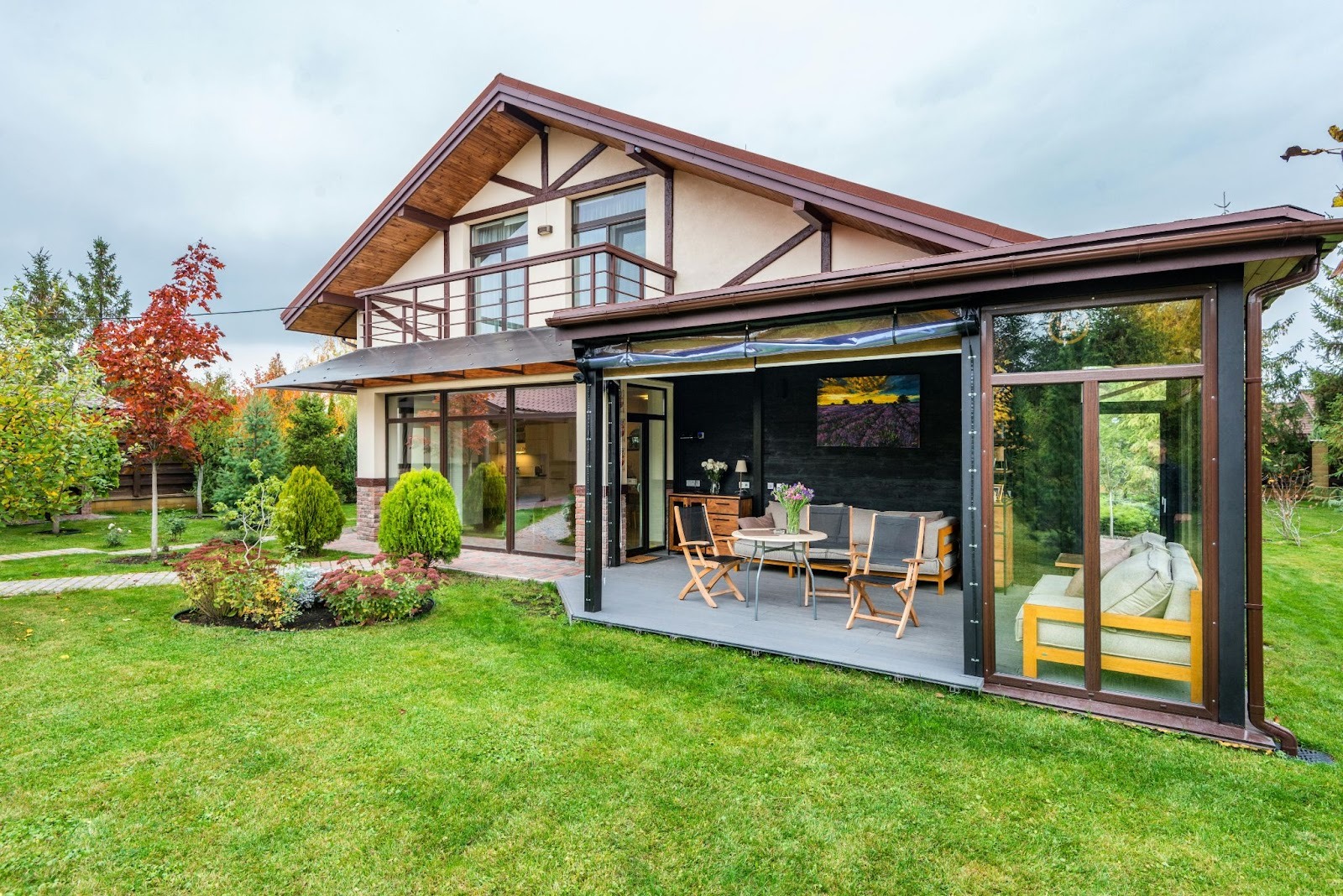
There are many different types of additions to consider. You could add a whole new space such as a garage or sunroom. If you don’t want to sacrifice yard space or expand your building’s footprint, a second-story addition could be an option (ideal for extra bedrooms). Bump-outs are meanwhile a way of expanding out an existing room (such as making a small kitchen bigger).
Whereas a conversion can be a reasonable DIY project, building an addition typically requires hiring professionals. Look into home remodeling companies that are able to carry out home additions. Due to the extra cost of masonry and potentially new foundations as well as labor costs, expect an addition to cost more than a conversion. A budget of somewhere between $20k and $70k is recommended.
You’ll need to have available space around your property to build on, plus you’ll need zoning approval and building permits. It’s vital you get these permits before you start construction. Additions can be rejected if they infringe on a neighbor’s privacy or cast a shadow over a neighbor.
Most additions will add value to a home. However, the profit may not be as great as with a conversion due to higher construction costs.
When should you consider a conversion?
Got an unused attic and need an extra bedroom? Or perhaps your garage is being used as a clutter zone and could be repurposed? Using these existing spaces could be cheaper than having to build an addition (on average, $10k to $50k). If these spaces are already insulated, having suitable flooring and electrics, you may not even have to carry out much work to transform the room. This is why conversions are often better suited as DIY projects.
Conversions are also the best option in areas that have tight zoning laws. Generally, you don’t have to get zoning approval if you’re not expanding your home out in any way. The exception might be if you’re building an extra window that looks out onto a neighbor.
Conversions also tend to be the best option for homes with small yards. If you already don’t have much outdoor space to sacrifice, it makes sense to work within the walls you already have. There could be creative ways to convert existing space such as expanding a kitchen inwards by taking some space from a nearby room. Sometimes simply knocking down an interior wall will solve things (just make sure it’s not load bearing).
There are still laws you need to consider when converting. For example, for an attic to be legally classed as a bedroom, the ceiling needs to be at least 7ft high and there needs to be staircase access. This legal classification is important if you’re selling your home and you want to add value by being able to claim your property has an additional bedroom.
Often it’s easy to add value with a conversion. This is particularly the case if you DIY it - but make sure the quality of the conversion is high, otherwise your home may not appreciate in value.
Photo Gallery


Comments