Blog
Everyday Habits That Keep Your Family's Smile Healthy Between Dental Visits
I used to think my kids' teeth were fine because nobody complained. Then a routine checkup found three small cavities, and I sat in the parking lot doing the math on what "fine" had actually cost us.
The truth is that most of
the work behind a healthy smile happens in your own kitchen and bathroom, not
in a dental chair. You already know the basics: brush, floss, see someone twice
a year. But the daily rhythm that makes those things stick is where most
families fall apart. This guide is about that rhythm. You'll get a simple
routine you can start tonight, common slip-ups that quietly undo your effort,
and the age-specific moves that matter for toddlers, teens, and adults.
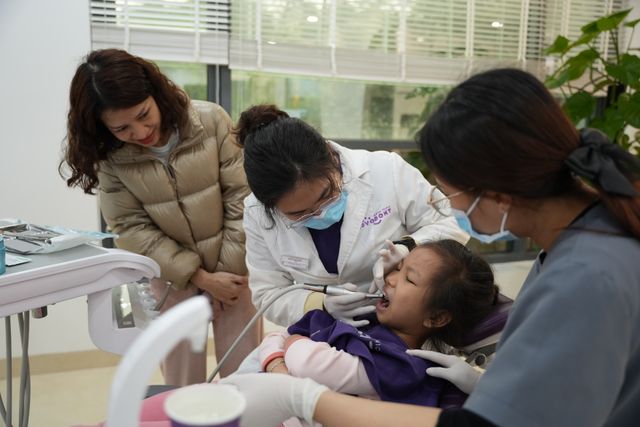
Photo by Ông Ngọc Dư
Why the Hours Between Checkups Matter More Than the
Visit
A cleaning removes what's already built up. It doesn't stop the next layer from forming. According to the Centers for Disease Control and Prevention, cavities remain one of the most common chronic conditions in both children and adults, and they're largely preventable with consistent daily care. That word, consistent, is doing all the heavy lifting.
Here's the mental shift I'd
push you toward. Think of your dentist as a coach, not a repair shop. A coach
can only work with the habits you bring to practice. If your family's routine
is strong, checkups become short and boring, which is exactly what you want.
Mine finally are, and I consider that a genuine win.
A Weeknight Routine That Actually Survives Bedtime
Chaos
Most dental advice assumes a calm, unhurried evening.
Real evenings have lost library books and a dishwasher that needs emptying. So
build a routine that bends instead of breaks.
The two-minute reset. Keep a basic timer in the bathroom, or use the one on your phone. Most people brush for well under a minute and assume it's fine. Two minutes, morning and night, changes the math considerably.
The one-two punch. Brush first, then floss. Flossing after brushing gets the bits your bristles loosened. If flossing feels like a chore at your house, string picks and water flossers are legitimate substitutes, and honestly the tool somebody will actually use beats the one they skip.
The kitchen cutoff. Set a time when the kitchen closes for the night. Grazing after that cutoff is the quiet enemy of every good brushing habit, because a steady drip of snacks keeps your mouth in a state that favors decay.
The visible supply
basket. Keep toothbrushes, paste, and floss in one spot everyone can reach.
Kids who can't find a toothbrush at 8:45 p.m. won't brush. Ask me how I know.
Small Kitchen Swaps That Help Your Teeth
You don't need a special diet. You need a few defaults
that work in your favor when you're tired and grabbing whatever's closest.
●
Water with meals instead of juice or soda,
especially for kids
●
Crunchy vegetables and cheese cubes as the
after-school snack, since they're kind to enamel
●
Fruit with meals rather than alone, so it comes
with other foods
●
Chewing gum with xylitol after lunch when you
can't brush
●
Milk or plain yogurt at breakfast, which pairs
well with your morning brushing
None of this is dramatic.
That's the point. Small defaults repeated hundreds of times beat a heroic
overhaul that lasts a week. My personal stance: I'd rather my kids eat a cookie
at the table after dinner than graze on crackers all evening, even though the
cookie sounds worse. Timing matters more than a single treat.
Six Slip-Ups That Undo Good Brushing
You can do everything right and still get mediocre
results if one of these creeps in.
1.
Rinsing right after brushing. You've just
put fluoride on your teeth. Water rinses it straight down the drain. Spit,
don't rinse.
2.
A brush that's past its prime. Frayed
bristles don't clean. Swap every three months or so, sooner if someone's been
sick.
3.
Scrubbing like you're sanding a deck.
Hard back-and-forth pressure wears enamel over time. Gentle circles with a soft
brush do the job.
4.
Skipping the back corners. The teeth you
can't see in the mirror are the ones that tend to need work.
5.
Sharing a brush head or using one that's been
on the counter forever. Replace them, and don't pass them around.
6.
Waiting out pain. A twinge that lingers
for a couple of days isn't something to monitor for a month. Get it looked at.
What Changes by Age
A toddler, a ten-year-old, and a forty-year-old need
different things from the same routine.
Toddlers. Brush for them until they can tie their own shoes, and use a rice-grain smear of fluoride toothpaste. Their wiggly cooperation is normal, so a song or a mirror works better than a lecture.
School-age kids. This is when independence shows up and technique falls apart. Check their work a few times a week rather than every night. Praise the effort, not the perfection.
Teens. Sports guards, energy drinks, and late-night snacks are the big three. A custom mouthguard for contact sports is worth the money.
Adults. Your habits
compound. If you've been meaning to sort out that sensitivity or a chipped
tooth, this is the year. The National Institute of Dental and Craniofacial Research
notes that oral health is tied to your overall health, which is one more reason
not to let small issues sit.
The Checkup Schedule That Keeps Everything on Track
Daily habits handle most of the work. Professional visits catch what habits miss, like early decay, gum changes, or a filling that's starting to fail.
For most families, twice a year is the standard baseline. If someone in your house has a history of gum issues, wears braces, or is pregnant, your dentist may want to see them more often, and that's a conversation worth having in person. The American Dental Association is a solid starting point for understanding what those visits typically involve.
Finding care close to home
removes the last excuse. If you live in Surrey, a Panorama dentist keeps the trip short, which
matters when you're booking appointments for four people around work and
school.
Your Two-Minute Family Check-In
Once a month, do a quick
sweep. Is anyone complaining about sensitivity? Do the toothbrushes need
replacing? Did you book the next cleaning, or is it still floating in your
head? Six questions, five minutes, and the whole routine stays honest.
Frequently Overlooked, Easily Fixed
A few things come up again and again when families actually look.
Mouth breathing at night dries everything out and makes morning breath worse. A dry mouth also gives cavity-causing bacteria a friendlier home. If someone snores heavily or wakes with a Sahara-dry mouth, mention it at the next visit.
Acidic drinks, including sparkling water and citrus-heavy smoothies, soften enamel for a window afterward. Brushing right away can do more harm than good, so wait about thirty minutes and rinse with plain water first.
Whitening strips used
back-to-back can leave teeth sensitive. Follow the package timing, and if
you're chasing a specific shade for a wedding or reunion, ask about
professional whitening instead of stacking drugstore kits.
Start With One Change Tonight
You don't need to overhaul your household in a weekend. Pick one thing from this article, maybe the kitchen cutoff or the two-minute timer, and run it for two weeks. Add the next habit after that. Consistency beats intensity every time, and your future checkups will reflect the routine you build now.
So which habit is your family missing? Pick it tonight,
set the timer, and see what changes by your next visit.
Photo Gallery


Comments