Blog
From Kitchen Mess to Nail Desk Cleanliness: Why Dust Control Matters More Than You Think

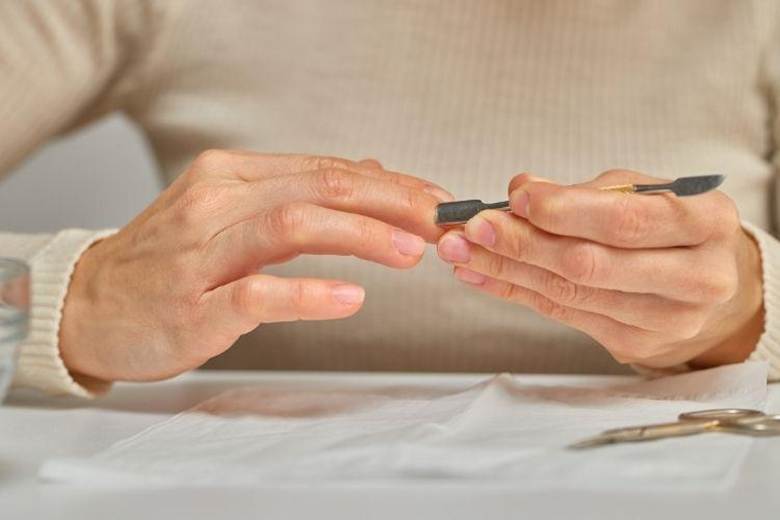
Woman pushingcuticles during home manicure for nail care
If you’ve ever spent
time in the kitchen, you already understand one universal truth: mess is
inevitable. Whether it’s flour dusting your countertops, spices scattering
across prep space, or oil splattering during a quick sauté, creating something
beautiful often comes with a side of chaos. But what many people don’t realize
is that the same principles of cleanliness and control in the kitchen apply
just as much to other creative spaces—like a nail desk.
Dust control, in
particular, is one of those overlooked details that can make a huge difference
not just in how a space looks, but in how it feels, functions, and even impacts
your health.
The
Hidden Similarities Between Cooking And Nail Work
At first glance, cooking
and doing nails might seem like completely different activities. One happens in
the kitchen, the other at a desk or salon station. But when you look closer,
they share a lot in common.
Both involve precision,
creativity, and working with fine particles—whether that’s flour, powdered
sugar, or nail dust. Both can quickly become messy without the right systems in
place. And in both cases, cleanliness directly affects the quality of the final
result.
Think about baking. If
flour is constantly floating in the air or covering every surface, it becomes
harder to measure accurately, keep ingredients separate, and maintain a smooth
workflow. The same is true for nail work. Fine nail dust can settle everywhere—on
tools, surfaces, and even in the air—making it harder to maintain a clean,
professional environment.
Why Dust
Control Is More Than Just Aesthetic
It’s easy to think of
dust as just a visual nuisance. After all, a quick wipe-down can make a space
look clean again. But dust—whether from cooking or nail filing—has deeper
implications.
In the kitchen, airborne
particles can affect food quality and hygiene. No one wants stray debris
landing in a carefully prepared dish. Similarly, in nail care, uncontrolled
dust can compromise sanitation and client comfort.
More importantly,
prolonged exposure to fine dust particles can impact respiratory health. Just
like breathing in too much flour dust isn’t ideal, regularly inhaling nail dust
isn’t something to ignore. Over time, these particles can irritate airways and
create discomfort, especially in smaller or poorly ventilated spaces.
Dust control isn’t just
about keeping things tidy—it’s about creating a safer, more breathable
environment.
Lessons
From The Kitchen: Clean As You Go
One of the most valuable
habits any home cook learns is to clean as they go. Instead of letting mess
pile up until the end, small, consistent actions keep everything manageable.
Wipe spills immediately.
Put tools back after use. Keep your workspace organized.
This same mindset
translates perfectly to nail work. Allowing dust to accumulate throughout a
session not only makes cleanup harder but also spreads particles into the
surrounding environment. By managing dust in real time, you maintain better
control over your workspace.
This is where having the
right tools becomes essential—not just for convenience, but for efficiency and
consistency.
The Role
Of Proper Tools In Dust Management
In cooking, we rely on
tools like splatter guards, ventilation hoods, and even simple lids to control
mess. These tools don’t eliminate the cooking process—they support it.
The same idea applies to
nail care. Dust collectors are designed to capture fine particles at the
source, preventing them from spreading across the workspace or into the air.
For example,
professional-grade options like those available from F.O.X Nails are specifically built to
handle the kind of fine dust that basic cleaning methods often miss. While you
don’t need to center your entire setup around them, incorporating a reliable
dust control solution can significantly improve both cleanliness and comfort.
Creating
A More Enjoyable Creative Space
Whether you’re cooking a
new recipe or working on a fresh nail design, your environment plays a huge
role in your experience. A cluttered, dusty space can feel overwhelming and
distracting, while a clean, organized one allows you to focus and enjoy the process.
In the kitchen, a tidy
counter invites creativity. You’re more likely to try new recipes, experiment
with flavors, and take your time. At a nail desk, the same principle applies. A
clean surface, free from excess dust, creates a more professional and relaxing
atmosphere.
This is especially
important if you’re working with clients or sharing your space with others.
Cleanliness isn’t just about personal preference—it’s part of the overall
experience you provide.
Small
Changes That Make A Big Difference
You don’t need a
complete overhaul to improve dust control. Often, small adjustments can lead to
noticeable improvements.
Start with awareness.
Pay attention to when and where dust builds up. Is it during specific tasks?
Does it settle in certain areas more than others?
Next, improve your
workflow. Position tools and equipment in a way that minimizes spread. Keep
cleaning supplies within reach so you can address messes immediately.
Finally, consider
upgrading your setup where it matters most. Just like a good kitchen tool can
transform your cooking experience, the right dust management solution can
elevate your nail workspace.
Cleanliness
As A Reflection Of Care
At its core, maintaining
a clean space—whether in the kitchen or at a nail desk—is a reflection of care.
Care for your craft, your environment, and your well-being.
When you take the time
to manage dust and maintain order, it shows in the quality of your work. Food
looks more appetizing when it’s prepared in a clean kitchen. Nail designs look
more polished when created in a dust-free space.
But beyond appearances,
it also affects how you feel. Working in a clean environment reduces stress,
improves focus, and makes the entire process more enjoyable.
Bringing
It All Together
The next time you find
yourself wiping down a flour-covered counter or sweeping up after a cooking
session, consider how those same habits apply elsewhere in your life.
Dust control isn’t
limited to the kitchen—it’s a universal principle for any creative space. By
adopting a proactive approach and using the right tools, you can transform not
just how your space looks, but how it functions.
From kitchen mess to
nail desk cleanliness, the lesson is the same: when you control the details,
everything else falls into place.
Photo Gallery


Comments