Blog
How Home Care Encourages Healthy Risk Awareness Without Limiting Freedom
When someone you love starts getting older, safety suddenly becomes a big concern. You want them to be protected, comfortable, and healthy. At the same time, you do not want them to feel trapped, controlled, or dependent. Finding that balance between safety and independence can feel overwhelming for families.
Many people worry that extra support means giving up freedom. In reality, good senior care does the opposite, which is why it is a growing market worldwide.
Globally, the senior in-home care services market, as of 2025, is valued at over $1,400 million. Within the next nine or ten years, this market will grow in valuation to almost $2,700 million. The right home care services help older adults understand risks, make smart choices, and stay confident in their daily lives. Instead of limiting independence, they strengthen it.
Let us explore how thoughtful home care helps senior citizens stay safe while still enjoying their freedom and quality of life.
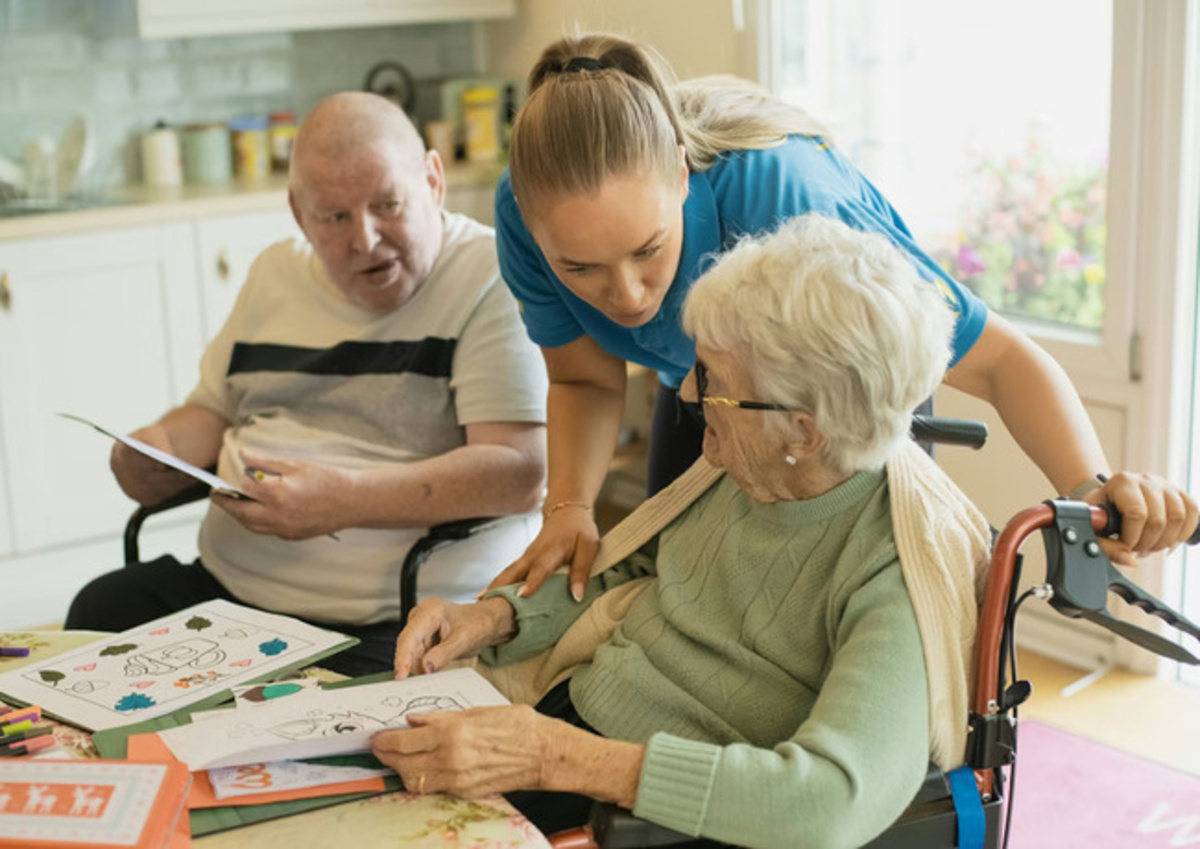 Photo credit
Building Awareness Instead of Fear
One of the biggest mistakes people make is trying to protect seniors by making them afraid. Constant warnings, restrictions, and rules can create anxiety, and what happens is that over time, this fear can reduce confidence and independence.
As seen on www.ameribesthomecare.com, professional caregivers take a different approach. They focus on awareness rather than fear. For instance, they might discuss heart diseases and help raise awareness surrounding various heart-related health issues among seniors. And, instead of saying, “Do not do that,” caregivers explain why something may be risky and how to do it safely.
When elderly individuals understand the reasons behind safety advice, they feel respected. They also become more capable of protecting themselves. Awareness gives them control, while fear takes it away.
Creating a Safer Home Environment Together
Most accidents happen at home. Slippery floors, loose carpets, poor lighting, and clutter can all increase risks. Some families respond by limiting movement instead of improving the environment.
Home care facilities and in-home caregivers take a smarter approach. They work with seniors and families to identify potential hazards. Then they suggest simple changes that make everyday life safer, like improving lighting or adding support rails.
These changes should be made together such that seniors are involved in the process, and they do not feel powerless. They learn how to recognize risks in their surroundings and fix them independently in the future.
Encouraging Safe and Active Lifestyles
Staying active is essential for physical strength, balance, and mental well-being. However, as of June 2024, the World Health Organization (WHO) reported that globally, around 31 percent of adults do not meet recommended activity levels. What’s more, global inactivity levels are set to cross 34 percent by 2030 if the current trends continue.
Seniors are also at risk of serious health risks if they do not participate in regular moderate physical activities. Unfortunately, many families worry that exercise will cause falls or injuries.
Home care services help solve this problem. Caregivers encourage gentle movement that fits each person’s abilities. This may include walking, stretching, light exercises, or simple household tasks. They provide support and guidance without being overbearing.
This approach helps seniors stay strong and mobile. Regular movement reduces the risk of serious health issues and improves mood. It also helps older adults feel capable and independent.
Supporting Better Health Decisions
Managing health becomes more complex with age. Medications, doctor visits, diet choices, and treatment plans can be confusing.
Home care services help older adults stay informed and organized. Caregivers review medication schedules, explain instructions, and remind clients about appointments. They also encourage seniors to ask questions and understand their own conditions.
Rather than taking control, caregivers act as guides. This helps elderly individuals feel more confident about managing their health. When people understand their bodies and treatments, they make safer choices naturally.
Protecting Social Freedom and Emotional Well-being
Social connection is a major part of health and well-being. Yet many seniors become isolated due to safety concerns, transportation issues, or a lack of support.
A national poll on healthy aging suggests that around 33 percent of adults aged 50 to 80 reported feeling lonely. The poll also found that almost 30 percent of adults in this age group felt socially isolated.
Caregivers encourage seniors to maintain friendships, attend events, pursue hobbies, and stay involved in their communities. They help arrange transportation and accompany clients when necessary.
This support makes social life safer without limiting it. Older adults continue enjoying meaningful relationships and activities. Emotional health improves, and confidence grows. Staying connected helps seniors remain mentally sharp and emotionally strong.
FAQs
Why is it important to promote independence in health and social care?
Promoting independence helps individuals maintain dignity, confidence, and self-worth. It encourages active participation in daily life, improves mental and physical well-being, and reduces reliance on others. Independent living also supports better decision-making and enhances overall quality of life.
How can we encourage seniors to be healthy?
Seniors can be encouraged to stay healthy by promoting balanced diets, regular physical activity, and routine medical checkups. Supporting social interaction, mental stimulation, and proper sleep is also important. Providing motivation, education, and emotional support helps seniors maintain positive lifestyle habits.
What can families do to ensure seniors don’t feel lonely in a homecare setting?
Families can reduce loneliness by visiting regularly, making phone or video calls, and involving seniors in conversations and decisions. Encouraging hobbies, social activities, and community programs helps. Showing emotional support, listening patiently, and celebrating special moments together strengthen the connection.
When it comes to seniors, safety and freedom do not have to be opposites. With the right approach, they can support each other. Thoughtful home care services show that protection does not mean restriction, allowing seniors to maintain dignity, confidence, and independence.
When home care encourages healthy risk awareness instead of fear, it creates a stronger foundation for long-term health and well-being. It allows elderly individuals to live fully, safely, and on their own terms.
Photo Gallery


Comments