Blog
How These Books Turn Family Mealtime Into Meaningful Parenting Moments

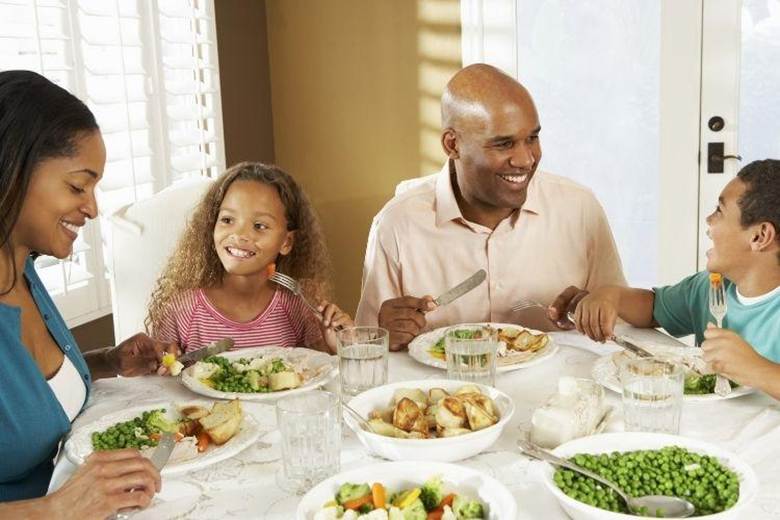
Alt text: Family
Enjoying Meal at Home
Image link: https://www.canva.com/photos/MAAOa_czMtI/
Family mealtime has
always been about more than food. It's where stories are shared, values are
passed down, and memories quietly take root. For parents, it's also one of the
easiest ways to teach life skills without making kids feel like they're in a lesson.
When you combine cooking
with storytelling, conversation, and hands-on participation, dinner becomes
something far richer than a routine—it becomes a learning experience. One
surprisingly effective way to spark that transformation is to pair kitchen time
with engaging children's books, turning everyday meals into meaningful
parenting moments.
Why The
Kitchen Is A Powerful Classroom
Children learn best by
doing. Measuring flour teaches math. Following a recipe strengthens reading
comprehension. Waiting for dough to rise introduces patience. Cooking naturally
blends academic skills with real-world application, which is exactly why educators
often call the kitchen a "living classroom."
Beyond academics,
cooking also builds confidence. When a child cracks an egg, stirs soup, or
garnishes a dish, they feel ownership over the result. That sense of
contribution fosters independence and pride—two traits that carry over into
school, friendships, and future responsibilities.
For parents, the beauty
lies in how effortless the teaching can feel. Instead of sitting down for
structured lessons, you're chatting while chopping vegetables or laughing when
flour spills. These small, shared moments create emotional connections that lectures
never could.
Turning
Cooking Into A Fun Parenting Activity
The key to teaching kids
through cooking is making it playful rather than instructional. Children
respond best when they feel like participants instead of students. Simple
strategies can make a big difference:
●
Assign age-appropriate tasks: Younger kids can wash produce or stir batter, while older children can
measure ingredients or read steps aloud.
●
Use storytelling: Turn recipes into adventures—pretend you're chefs running a restaurant
or explorers cooking a meal from another country.
●
Celebrate effort, not
perfection: A slightly crooked pancake or extra-spicy
sauce is part of the fun.
When parents approach
cooking with curiosity and humor, kids mirror that attitude. Instead of
resisting kitchen time, they start looking forward to it.
Connecting
Books And Cooking For Deeper Learning
Books add another
dimension to cooking activities. Reading together before or during meal prep
introduces themes, ideas, and vocabulary that can shape conversations. A story
about entrepreneurship might lead to a pretend restaurant night. A tale about
farming could inspire a discussion about where ingredients come from.
This is where
thoughtfully designed children's literature can make a difference. Some
educational book series are specifically written to spark curiosity about
real-world concepts while keeping kids entertained. For example, stories from
the Tuttle
Twins often explore big ideas through relatable adventures, giving
parents natural conversation starters they can weave into daily routines, such
as cooking.
The goal isn't to turn
dinner into a lecture—it's to let stories gently guide discussion. When kids
associate learning with warmth, laughter, and delicious smells, education feels
like a joy instead of a chore.
Building
Life Skills One Recipe At A Time
Cooking teaches far more
than how to prepare food. It introduces essential life skills that children
will use long after they leave home:
Responsibility: Kids learn that actions have consequences—forgetting an ingredient
changes the outcome.
Problem-Solving: If a recipe doesn't work, they figure out how to fix
it.
Teamwork: Preparing a meal together requires cooperation and
communication.
Time Management: Timing multiple steps helps children understand
sequencing and planning.
These lessons happen
organically. A parent doesn't need to explain them formally; the experience
itself does the teaching. Over time, children internalize these skills simply
because they practiced them repeatedly in a safe, supportive environment.
Encouraging
Curiosity Through Food Exploration
One of the greatest
gifts parents can give their children is curiosity. Cooking is a natural
gateway to it because food connects to culture, geography, science, and
history. A single recipe can spark dozens of questions:
●
Why does bread rise?
●
Where does cinnamon come from?
●
Why do different countries eat
different foods?
Instead of rushing
through meal prep, parents can pause and explore these questions together.
Looking up answers, experimenting with variations, or tasting unfamiliar
ingredients turns curiosity into discovery. Children who feel encouraged to ask
questions develop stronger critical-thinking skills and a lifelong love of
learning.
Creating
Traditions That Strengthen Bonds
Family traditions don't
have to be elaborate to be meaningful. Something as simple as "Taco
Tuesdays" or "Saturday Baking Day" can become a cherished
ritual. When kids know they have a special role—like choosing the recipe or
setting the table—they feel valued and included.
Traditions also provide
stability. In busy households filled with school schedules, work commitments,
and extracurricular activities, regular cooking rituals give children something
predictable to look forward to. That consistency fosters emotional security and
strengthens family bonds.
Over time, these shared
experiences become memories children carry into adulthood. Many adults can
recall the smell of a parent's signature dish or the laughter that filled the
kitchen during holiday cooking sessions. Those memories often shape how they approach
food, family, and parenting in their own lives.
Making
Learning Feel Natural Instead Of Forced
One common challenge
parents face is balancing education with enjoyment. Kids can sense when
something is overly structured or forced, which can lead to resistance. Cooking
avoids that problem because it's inherently practical. The goal isn't to
"teach"—it's to make dinner. Learning simply happens along the way.
To keep the experience
light:
●
Let kids make choices, such as
picking herbs or spices.
●
Ask open-ended questions rather
than giving instructions.
●
Allow room for creativity, even if
it makes the process messier.
When children feel
trusted and involved, they become more engaged. That engagement leads to deeper
understanding and stronger retention of whatever lessons naturally arise.
Practical
Tips For Parents Getting Started
If you're new to cooking
with kids, start small. You don't need elaborate recipes or gourmet
ingredients. In fact, simple dishes often work best because they leave more
room for conversation and exploration.
Choose simple
recipes: Pancakes, salads, sandwiches, and smoothies
are great options for beginners.
Prep ahead: Measure or chop difficult ingredients beforehand so kids can
focus on fun tasks.
Be patient: Expect spills and mistakes—they're part of the learning
process.
Keep it positive: Praise effort and curiosity rather than focusing on
results.
Consistency matters more
than complexity. Even one shared cooking session per week can have a lasting
impact on your child's skills and confidence.
The
Lasting Impact Of Mealtime Learning
When parents combine
cooking, conversation, and storytelling, they create an environment where
learning feels natural, and relationships grow stronger. These moments don't
require special equipment or professional expertise—just time, attention, and a
willingness to involve children in everyday tasks.
Years from now, kids may
not remember every recipe they made, but they will remember how it felt to
stand beside a parent, stirring a bowl while talking about ideas, dreams, and
discoveries. That sense of connection is what transforms ordinary meals into
meaningful parenting moments.
And that's the real
magic of bringing kids into the kitchen: it nourishes not only their bodies,
but their confidence, curiosity, and bond with you as well.
Photo Gallery


Comments