Blog
How to Keep Your Kitchen Cool While Cooking

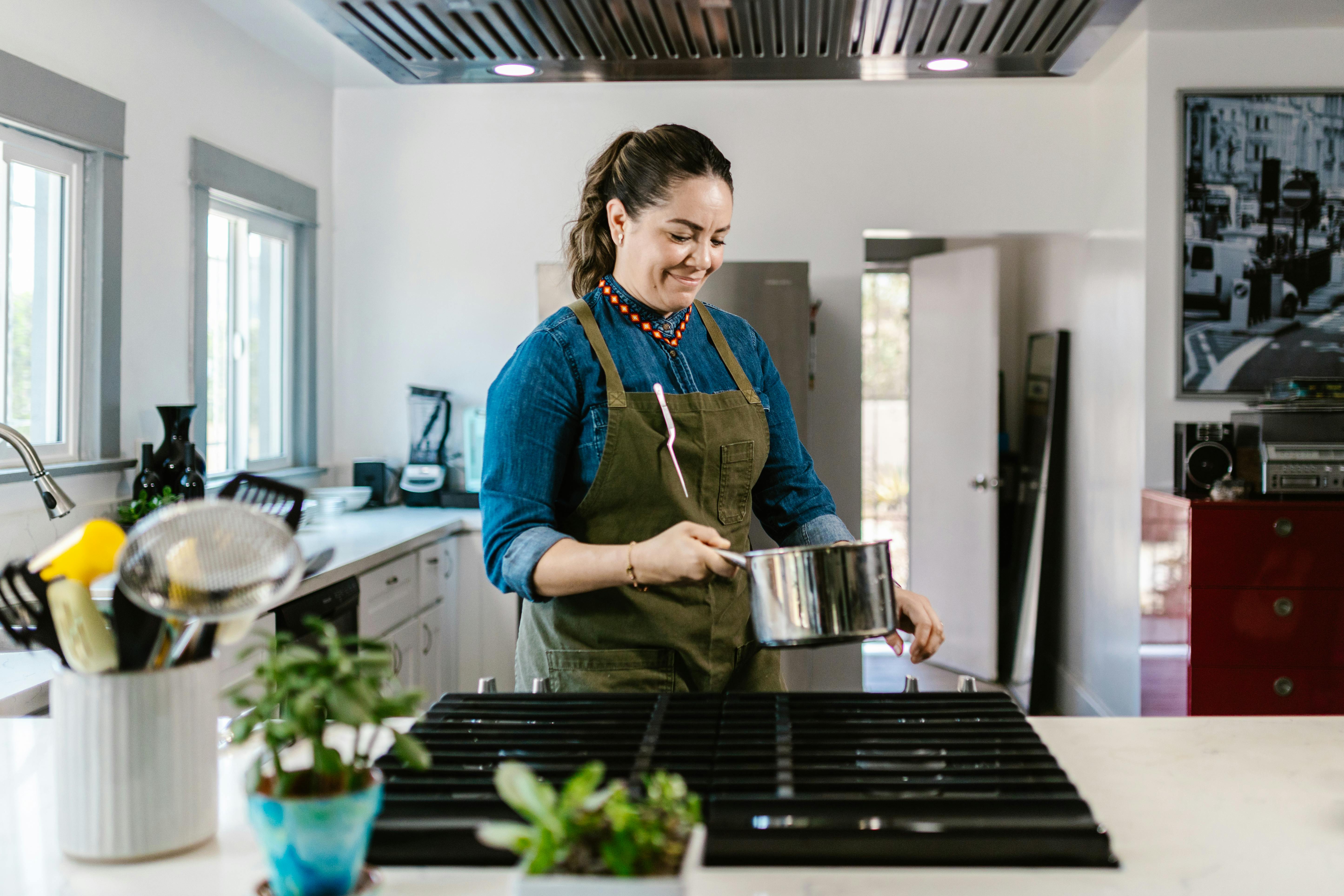
Image Credit: Pexels
There's nothing quite like the satisfaction of preparing a delicious meal for your family. But when the oven is on and multiple burners are going, your kitchen can quickly feel more like a sauna than the heart of the home. The added heat can make cooking feel like a chore, especially during warmer months. Fortunately, you don't have to sweat it out. With a few smart strategies, you can keep your kitchen comfortable while you cook up a storm.
Beat the Kitchen Heat
The simplest solutions are often the most effective. Before you even turn on a burner, think about your timing and cooking methods. If possible, try to do your baking or roasting a big meal during cooler parts of the day, like the early morning or later in the evening.
You can also make small adjustments to how you cook:
Use lids on your pots and pans. This traps heat and helps food cook faster, reducing the amount of time your stove is on.
Opt for no-cook or low-cook meals on particularly hot days. Think big salads, sandwiches, gazpacho or fresh spring rolls.
If you're boiling water for pasta or vegetables, use an electric kettle. It's much more efficient and won't heat the whole room like a large pot on the stove does.
Ventilation Is Key
Proper ventilation is your best defense against a stuffy, overheated kitchen. The primary goal is to move the hot, steamy air generated by cooking directly outside. The most effective tool for this is your range hood fan. Many people forget to use it, but turning it on before you even start cooking can make a huge difference. For it to work best, make sure the filters are clean. A greasy, clogged filter can’t move air effectively.
Beyond the range hood, simply opening a window or a back door can create a cross-breeze that helps pull hot air out. The science behind cooking up a storm shows that cooking releases not just heat but also moisture and particulates into the air, all of which a good ventilation system can help manage. Good airflow leads to happier cooking with kitchen ventilation and a more pleasant environment for everyone.
Smart Appliances for Cooler Cooking
Your choice of appliances can have a big impact on your kitchen's temperature. Traditional ovens and stovetops generate a lot of ambient heat that escapes into the room. Modern countertop appliances are often designed to be more contained and energy-efficient.
Consider incorporating these into your cooking routine:
Slow Cookers and Pressure Cookers: These appliances are well-insulated and release very little heat into the kitchen. They're perfect for soups, stews, and tender meats.
Air Fryers and Toaster Ovens: For smaller tasks like roasting vegetables or reheating leftovers, a countertop air fryer or toaster oven heats up much faster and produces far less ambient heat than a full-sized oven.
Induction Cooktops: Unlike gas or electric coil stovetops, induction technology heats the pan directly without warming the surrounding air, keeping your kitchen significantly cooler.
Optimize Your Home's Air Flow
Your kitchen's temperature is also affected by the rest of your home. Taking a few steps to manage your home's overall airflow can prevent heat from building up in the first place. During the sunniest parts of the day, close blinds or curtains on windows that get direct sunlight, especially in and near the kitchen. This simple step can block a surprising amount of solar heat.
If you have a ceiling fan in or near your kitchen, make sure it’s spinning counter-clockwise in the summer. This pushes cool air down, creating a pleasant breeze. Also, take a quick walk through your home to ensure that furniture or rugs aren't blocking any air conditioning vents, which would prevent cool air from circulating freely where you need it most.
Year-Round Comfort Solutions
While kitchen-specific tips are helpful, sometimes the problem is bigger than just cooking heat. If your kitchen consistently feels warmer than the rest of your house, it could be a sign that your home's heating, ventilation, and air conditioning (HVAC) system isn't distributing air evenly. Poor airflow, blocked ducts, or an improperly sized system can all create hot spots, and the kitchen is often the first place you'll notice them.
Keeping your HVAC system running efficiently is key to maintaining a comfortable temperature throughout your home, including the kitchen. Regular maintenance, such as changing filters and scheduling routine inspections, can improve performance. If the problem continues, local HVAC services can evaluate your system, identify airflow issues, and recommend solutions to keep every room more comfortable.
A comfortable kitchen makes cooking more enjoyable for everyone. Combining a few simple habits with the right tools and a well-maintained home helps you focus on creating delicious meals without breaking a sweat.
Photo Gallery


Comments