Blog
How Your Roof Handles Southern California Sun and Rain
Nine months of sun, then three months of rain. That is the climate deal every Southern California roof signs up for, and it is the reason a shingle that looks fine in August can be dripping into your hallway by January.
You do not need a roofing background to protect your house. You need to know what the sun does to your roof, what the rain does next, and which warning signs mean it is time to stop guessing. Get those three things down and you will catch most problems while they are still cheap to fix.
Here is the short version of
what I have seen working on roofs across North Orange County: the damage almost
never happens in one dramatic moment. It builds. Sun bakes the surface, the
material dries out and shrinks, and then the first real storm finds every seam
you ignored. If you are already spotting a stain on the ceiling, a Fullerton roof repair service can trace the
actual entry point instead of patching the symptom. If you are not spotting
anything yet, the rest of this article is about staying that way.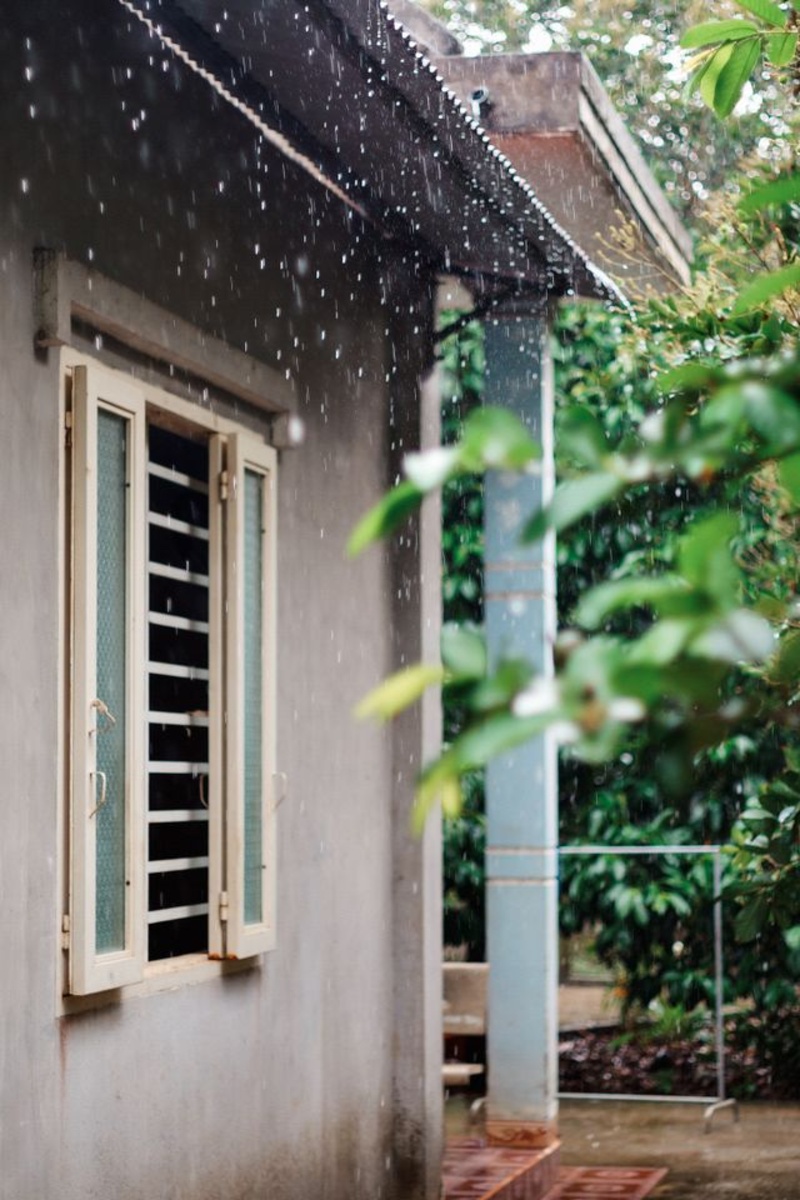
Photo by Lê Đức Khánh
What the sun actually does to shingles and flashing
Roofing materials are built to handle ultraviolet light, but they are not immortal. Shingles are asphalt, minerals, and a fiberglass mat, and UV exposure slowly breaks down the asphalt binder that holds the granules in place. Once granules start washing off into your gutters, the mat underneath has less protection, and it starts drying out.
Dry shingles curl at the corners. They crack. They also expand and contract every single day, which over years works nails loose and opens gaps at the edges of the roof deck. Here is the part most homeowners never think about: a small lifted nail head is enough. Water does not need a hole. It needs a path.
Flashing takes this harder than people expect. The metal or composite strips around your chimney, vents, and valleys are sealed with caulk and sealant, and those materials dry out faster than the roof itself. I have pulled apart joints that looked solid until I put a hand on them, and the caulk crumbled like old chalk. That is not a manufacturing defect. That is a decade of sun.
Heat cycling also matters
more than the peak temperature. It is not the hottest day that damages your
roof, it is the hundreds of days where the surface goes from warm to cool and
back again. That constant movement is what quietly loosens things.
Why the first big storm is the real test
When the rain finally shows up, it is not doing the damage so much as revealing it. Water finds the weakest joint, the lifted shingle, the cracked pipe boot, and it works its way under the layers. From there it travels sideways, sometimes several feet, before it shows up on your ceiling.
That sideways travel is why DIY leak chasing is such a bad bet. You stand in the attic with a flashlight, find wet wood, and patch the roof directly above it. Three weeks later the stain comes back, six inches to the left.
The National Weather Service tracks these seasonal swings closely, and the pattern is always the same, long dry stretches followed by concentrated rain. According to the National Weather Service, atmospheric rivers can deliver a huge share of a season's rainfall in just a few days. That compression is brutal on a roof that has been drying out for months.
Wind is the underrated half
of the storm. Gusts get under a lifted shingle edge and peel it back, or worse,
tear it off completely and leave bare underlayment exposed. If you walked your
yard after a storm and found shingle pieces in the grass, you already have an
open wound up there, whether you can see it from the driveway or not.
The five signs I would never ignore
Skip the vague advice about "keeping an eye on
things." These are the specific things that justify a call.
●
Granules in the gutters. A thin
scattering after a storm is normal. Cups full of grit means the shingle surface
is failing.
●
Dark or discolored ceiling patches. Even
a faint brown ring counts. It has happened once, so it will happen again.
●
Curling, cracking, or missing shingles.
Look at south and west facing slopes first, since they take the most sun.
●
Cracked caulk around flashing. If it
flakes when you touch it, it stopped sealing a while ago.
●
Sagging or soft spots on the roof line.
This one moves it from repair to urgent. Call same day.
One more thing, and it is
the one I get asked about most: water in the attic after a big storm does not
automatically mean you need a whole new roof. That assumption costs homeowners
a lot of money. A surprising share of leaks trace back to a single failed pipe
boot or a valley that lost its seal, and those are repair jobs.
What a real roof check looks like
You can do a useful inspection yourself in about twenty
minutes, and it will make you a much better judge of any estimate you get
later.
1.
Stand back with binoculars and look at each roof
plane in good light. You are looking for texture differences, meaning patches
where granules are gone and the surface looks blotchy.
2.
Check the flashing at every penetration,
chimney, vent, and skylight. Caulk should flex slightly, not crumble.
3.
Get in the attic with a flashlight after a dry
spell. Look for dark staining on rafters and decking, and check daylight coming
through the roof boards.
4.
Look at your ceilings and the tops of exterior
walls inside the house. Stains often appear far from the actual leak.
5.
Clear the gutters and note what is in them.
Grit, shingle pieces, and nails are all information.
What you should not do is walk the roof. Southern California shingles get brittle, and a misstep costs more than any repair. Ground and attic inspection gives you most of what you need without the risk.
When you do get someone out,
pay attention to how they diagnose. If the roofer is on the roof with a hose or
a moisture meter, good. If they stand in the driveway and hand you a
replacement quote without ever getting up there, get another opinion. The
Department of Energy maintains guidance on home energy and weatherization, and the same
principle applies to roofing: measure the actual problem before recommending
the expensive fix.
Repair now or replace now?
This is the decision that keeps people up at night, so here is my honest read. Repair makes sense when the damage is localized, meaning a handful of shingles, one flashing joint, or a single leak source, and the rest of the roof is holding together. It also makes sense when the roof is on the younger side of its expected life.
Replacement starts making sense when the failures are
showing up in different places every season. That is not bad luck, that is a
roof that has reached the end of its useful life and will keep handing you new
invoices.
|
What you are seeing |
What it usually means |
Reasonable move |
|
One stain, one season |
Single leak source, often flashing |
Targeted repair |
|
Granules in gutters, curling on one slope |
Localized UV aging |
Repair, then plan ahead |
|
New leaks every winter in different spots |
Widespread material failure |
Get replacement quotes |
|
Sagging roofline or soft decking |
Possible structural moisture damage |
Call immediately |
Storm damage opens a different door. If a single event
caused the problem, your insurance may cover part of it, and that changes the
math. FEMA publishes homeowner guidance through the Federal Emergency Management Agency on
documenting damage and filing claims, and the single best thing you can do is
photograph everything before anyone touches the roof. Contractors who regularly
work with adjusters will tell you the same thing, because a documented claim
moves faster than a disputed one.
I would pick repair every
time when the damage is contained, even if replacement sounds more permanent.
You keep the money, you keep the disruption out of your week, and you buy
yourself years to plan a replacement on your schedule instead of the weather's.
The bottom line for your roof
Southern California roofs do not fail dramatically. They dry out in the sun, loosen at the seams, and get exposed by the first serious rain. That means the cheapest possible fix is early attention, and the most expensive one is waiting for a ceiling stain to become a framing problem.
Do the twenty-minute check this month. Look at the
gutters, the ceiling, and the flashing, and write down anything that looks off.
If you find something and you are not sure how serious it is, get an inspection
before the next storm takes the decision out of your hands. What is sitting on
your roof right now that you have been meaning to look at?
Photo Gallery


Comments