Blog
Steeping Something Homemade: A Family Guide to Brewing Botanical Teas from Scratch
My tea habit did not start with a fancy plan. It started with a dusty jar of dried chamomile at the back of the pantry and a rainy afternoon when nobody wanted to leave the house. I steeped a spoonful in hot water just to see what would happen, and the whole kitchen went soft and sweet-smelling within a minute. My kids wandered in asking what was for dinner, and instead they ended up cradling little mugs of flower tea at the table. That was the moment I realized you do not need a specialty shop or a shelf of boxed tea bags to make something warm and honest at home. You just need water, a few dried plants, and a little patience.
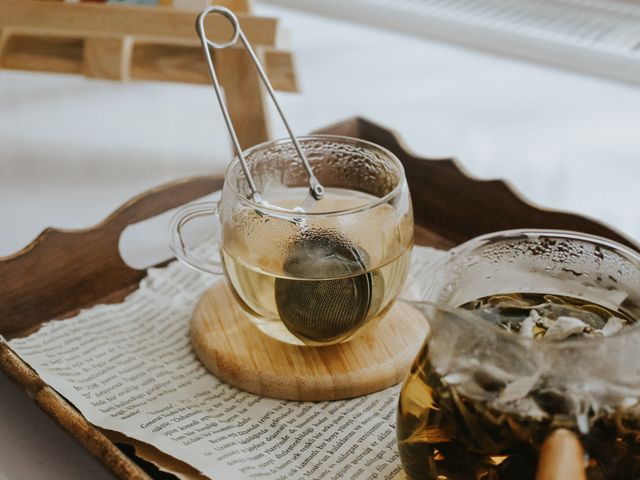
 Photo by betül nur akyürek
Why I Started Brewing Tea from Scratch
The first reason was simple curiosity, but the reasons it stuck are practical. When I brew from loose herbs, I know exactly what is in the cup: no mystery flavorings, no added sugar, nothing I cannot pronounce. Loose botanicals usually cost less per cup than the boxed stuff, and they tend to taste fresher and brighter. Most herbal teas are naturally caffeine-free, so they are an easy yes for the whole family in the evening. Best of all, a small row of jars can become dozens of different drinks depending on the day and the mood.
The Simple Kit You Probably Already Own
Do not let anyone talk you into a drawer full of gadgets. To brew tea from scratch you need a way to heat water, a mug or teapot, and something to strain out the plant bits. A little mesh infuser is nice, but a fine kitchen strainer works, and in a pinch I have used a clean square of cotton cloth tied around the herbs. That is genuinely all it takes. I keep a small basket on the counter with a few jars of dried herbs, a jar of honey, and a couple of infusers, so anyone who wants a cup can help themselves without me digging through cabinets.
Three Friendly Botanicals to Begin With
Chamomile is the gentle one. Its flavor is mild and almost apple-like, which makes it the classic choice for slowing down at the end of the day. Use about a tablespoon of the dried flowers per cup, pour over water that has just come off the boil, cover the mug, and let it steep for five minutes. A small drizzle of honey turns it into a treat my youngest asks for by name.
Ginger is the bold one. Slice a few thin coins of fresh ginger root, drop them into a mug, and pour boiling water over the top. Let it sit for seven to ten minutes for a warming, gently spicy cup that is wonderful with a squeeze of lemon. It is the one I reach for when the weather turns and everyone is sniffling their way through the school run.
Hibiscus is the showpiece. The dried petals turn plain water a deep ruby red and taste tart and cranberry-bright. Steep one to two teaspoons per cup for five or six minutes. It is lovely hot, but we adore it chilled over ice on a warm afternoon, with a little honey and a slice of orange stirred in.
Getting the Steep Just Right
Here is the cheat sheet I wish someone had handed me on day one. Soft flowers and leaves, like chamomile, mint, and hibiscus, want water just under a boil and a steep of about five minutes. Tougher roots, barks, and seeds, such as ginger, cinnamon, and fennel, need a full rolling boil and a longer sit closer to ten minutes, or a gentle simmer on the stove. When in doubt, taste as you go. If a cup comes out too weak, add more herb rather than more time, because a long steep can turn some plants bitter and flat. And keep the mug or pot covered while it steeps, so those fragrant oils stay in your drink instead of drifting off into the kitchen.
The One Botanical Readers Always Ask Me About
Whenever I mention that I brew my own teas, someone eventually asks about kratom. It comes from the leaves of a Southeast Asian tree in the coffee family, and where it grows it has traditionally been dried and brewed as a tea. Let me be upfront: I am a home cook sharing kitchen habits, not a health professional, so I will not tell you what it does or does not do. What I can speak to is the brewing and the buying. First, the taste, since this is a cooking blog. Kratom is genuinely bitter, far more so than a mellow chamomile, which is why people who brew it usually add lemon or honey to soften that sharp, earthy edge. Second, and more importantly, be a careful shopper. If you decide to explore it, buy only from vendors who publish third-party lab testing, so you actually know what is in the bag. A reputable source of lab-tested kratom powder will make those results easy to find rather than bury them. Two more honest notes: kratom's legal status varies from state to state across the US, so check your local laws before ordering any, and please talk with your doctor before trying it, especially if you take other medications. That is the same caution I would give a friend about any unfamiliar botanical joining the kitchen shelf.
Blending Your Own House Teas
Once you are comfortable with single herbs, the fun really begins. My kids each invented a signature mix, a pinch of this and a petal of that, and we labeled the jars in their own handwriting so the pantry feels like theirs. A little mint brightens almost anything. A single clove or a curl of cinnamon bark makes a plain cup taste like a holiday. Dried orange peel with a few hibiscus petals makes a cheerful pink drink that looks like a special occasion for no reason at all. Write down the combinations that work, and do not fear the ones that flop, because even those teach you something about your own taste.
Sip, Savor, and Keep It Simple
You truly do not need a cabinet of equipment or a certificate in herbalism to enjoy tea you brewed yourself. Start with one plant you already like, learn how long it wants to steep, and grow your collection from there. Before long you will have a handful of house favorites and a warm ritual that quietly pulls everyone toward the kitchen when the day winds down. In my home, that is worth more than any gadget, one honest, steaming cup at a time.
Photo Gallery


Comments