Blog
The Consequences of Untreated Gum Disease: What You Need to Know
Gum disease, known clinically as periodontal disease, is one of the most widespread yet commonly overlooked chronic conditions affecting adults today. Because it typically begins with mild, painless symptoms—such as slight gum redness or occasional bleeding during brushing—it is easy to dismiss as a minor inconvenience. However, beneath the surface, gum disease is an active bacterial infection. Left unchecked, what starts as simple gingivitis can silently progress into advanced periodontitis, inflicting permanent damage on your mouth and triggering significant health problems throughout your entire body.
Understanding the progression, consequences,
and treatment pathways for periodontal disease is essential to protecting your
smile, your comfort, and your long-term wellness.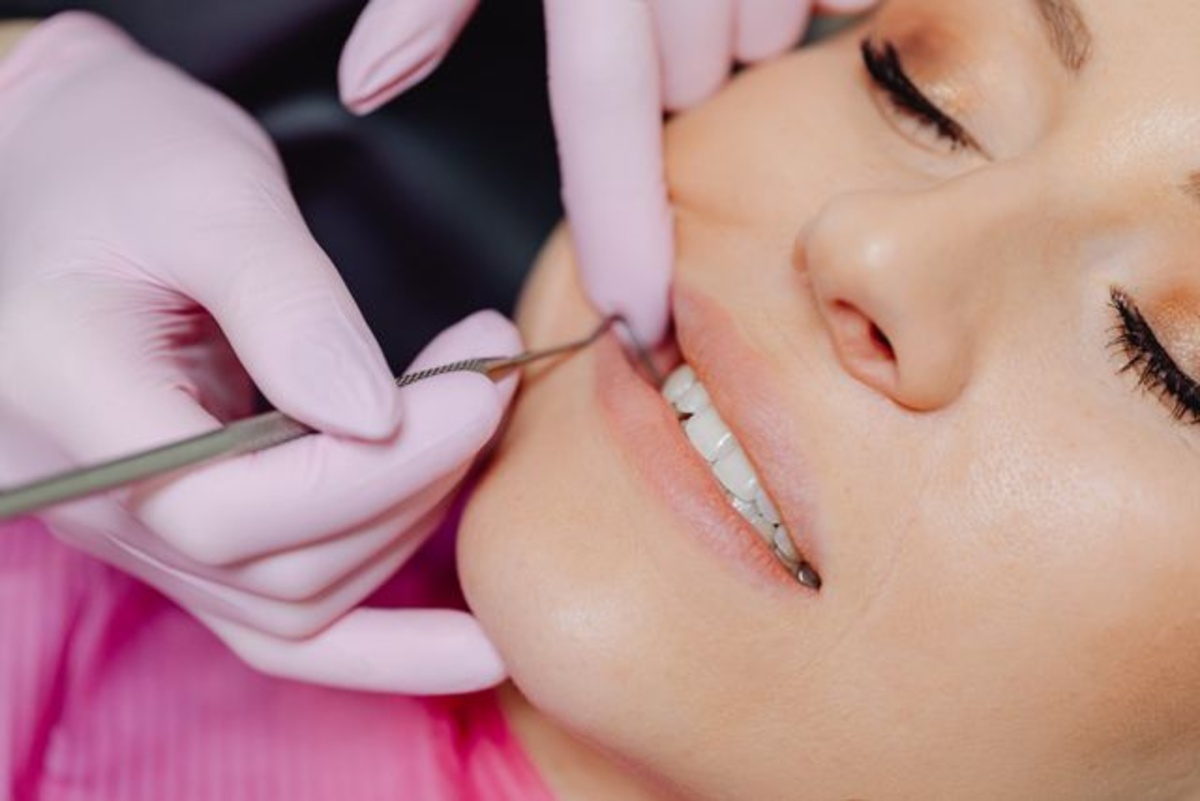
Photo by https://kaboompics.com/
The Progressive Stages of Gum
Disease
To appreciate the severity of untreated gum
disease, it is helpful to understand how it evolves over time.
- Gingivitis: This is the earliest stage of periodontal inflammation. Bacterial
plaque builds up along the gumline, causing the gums to become tender,
swollen, and prone to bleeding. At this point, the infection is confined
to the soft tissue, and no permanent bone damage has occurred. With
professional cleanings and diligent daily brushing and flossing,
gingivitis is entirely reversible.
- Periodontitis: When gingivitis goes untreated, bacteria migrate beneath the
gumline, establishing pockets of chronic infection. The immune system
responds by trying to fight off the invaders, but the resulting
inflammatory reaction breaks down the ligaments and bone supporting your
teeth. As these periodontal pockets deepen, destructive bacteria multiply
rapidly, accelerating tissue destruction.
Direct Effects on Your Oral
Health
When periodontitis is allowed to advance
without professional intervention, the local destruction within the oral cavity
becomes severe and irreversible.
Significant Bone Loss
Your jawbone requires constant stimulation
from natural tooth roots and surrounding healthy tissue to maintain its density
and structure. As chronic infection destroys the bone surrounding the tooth
roots, the structural foundation of your entire jaw becomes compromised,
leading to facial sagging and structural deterioration.
Severe Gum Recession
As inflammatory toxins destroy soft tissue,
the gums recede, pulling away from the teeth. This exposes the delicate root
surfaces, leading to severe temperature sensitivity, heightened vulnerability
to root cavities, and an elongated, unnatural appearance of the teeth.
Chronic Halitosis and Unpleasant
Taste
Bacteria living deep within periodontal
pockets produce volatile sulfur compounds. Because toothbrush bristles and
mouthwashes cannot reach into deep pockets, this causes persistent, untreatable
bad breath and a continuous foul taste in the mouth.
Tooth Mobility and Permanent Loss
Without sufficient bone and ligament support,
teeth inevitably begin to loosen, shift position, and painful bite
misalignments develop. Eventually, mobbed teeth fall out on their own or
require surgical extraction to clear the infection.
The Connection to Systemic Health
The danger of untreated gum disease extends
far beyond the mouth. The mouth serves as an entry point to the rest of the
body, and chronic periodontal infection can significantly compromise your
overall medical health.
● Cardiovascular Risks: Periodontal bacteria can
enter the bloodstream through wounded gum tissues, traveling to distant organs
and contributing to arterial inflammation, blood
clots, and an elevated risk of heart attacks and strokes.
● Diabetes Complications: The relationship
between gum disease and diabetes is a dangerous two-way street. Severe
periodontal infection raises blood sugar levels, making diabetes harder to
manage, while poorly controlled diabetes accelerates gum tissue destruction.
● Respiratory Infections: Inhaling harmful
bacteria from infected gum tissues into the lungs can cause respiratory
conditions, including bacterial pneumonia and bronchitis, particularly in older
adults or immunocompromised individuals.
Restoring Function and Rebuilding
Your Smile
If you are already suffering from the advanced consequences of untreated periodontitis and have lost multiple teeth, taking action immediately can stop further deterioration and transform your quality of life. Modern dentistry offers powerful restorative procedures capable of renewing both form and function.
For individuals facing extensive tooth loss
due to long-term periodontal damage, advanced tooth replacement solutions
provide a second chance at a healthy smile. Choosing a treatment such as a full arch implant in Blue Springs can give
you a permanent, secure, and natural-looking set of replacement teeth. By
anchoring a complete fixed bridge directly to strategically placed dental
implants, this treatment restores your ability to chew comfortably, protects
remaining jawbone density, and reinstates a natural, confident appearance.
Prevention and Early Action
While restorative techniques can rebuild lost
smiles, prevention remains the most effective strategy against periodontal
disease:
● Commit to Thorough Oral Hygiene:
Brush twice daily with fluoride toothpaste and clean between your teeth using
floss or interdental brushes every day.
● Schedule Regular Dental Visits: Professional
cleanings remove hardened tartar that daily brushing cannot eliminate, allowing
your dentist to catch early signs of gum inflammation.
● Avoid Tobacco Products: Smoking and chewing
tobacco impair blood flow to the gums, masking bleeding symptoms while
accelerating tissue breakdown.
If you notice signs of gum trouble—such as
bleeding, tender gums, persistent bad breath, or loose teeth—do not wait for
pain to appear before seeking help. Early intervention is the key to preserving
your natural teeth and protecting your overall health.
Photo Gallery


Comments