Blog
The Frozen Burrito Bowl Upgrade: Why Latin Street Food Belongs in Your Freezer
I have eaten a frozen burrito bowl at 9:40 PM standing
over the sink, and I have eaten one at my table with a lime wedge and a real
plate. Same category of food. Completely different night.
The difference was never the
microwave. It was knowing what to look for on the label and what to do for
sixty extra seconds once the tray came out. If your freezer has become a
graveyard of sad, watery rice bowls, the fix is smaller than you think. Here is
what separates a burrito bowl worth buying from one you will resent, plus a
short list of upgrades that turn a tray into dinner.
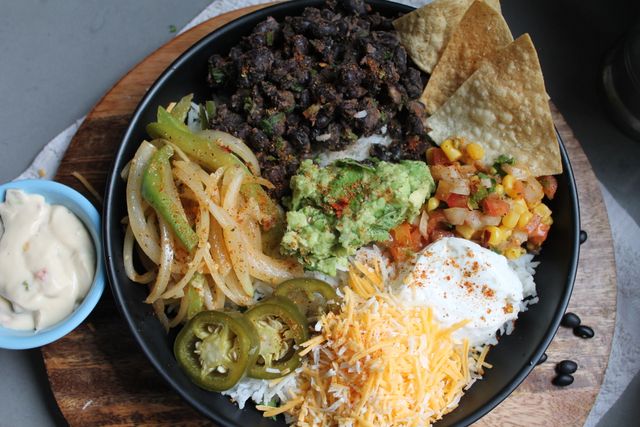
Photo by Nourishment DECODED
What Actually Makes a Burrito Bowl Work
A burrito bowl is a layered food. That is the whole thing. Rice on the bottom, protein and beans through the middle, something bright and acidic on top, and a cooling element to cut the heat. When those layers hold together, you get a forkful that tastes like a real meal. When they collapse into one wet texture, you get the tray you swore you would never buy again.
Freezing is the hard part. Rice goes mushy when it thaws
because ice crystals rupture the grain, which is why so many frozen bowls turn
into porridge. The brands that solve this usually cook rice slightly firm
before freezing, or they sauce it so the texture matters less. Beans behave
better. Corn and feta hold up surprisingly well. Cilantro, once frozen, gives
up most of its punch, so it mostly contributes color and a faint green note.
Here is my test in the store: tilt the box. If the rice is swimming in liquid,
put it back. If the components look like they were portioned in layers instead
of stirred together, that is a good sign. You are looking for structure, not
soup.
Why Latin Street Food Translates So Well to the
Freezer
Not every cuisine survives freezing, and I would argue Latin American cooking survives better than almost anything else on a grocery shelf. Corn holds its sweetness. Beans get creamier after a freeze and reheat. Chili and citrus lose a little edge but the underlying flavors, cumin, paprika, garlic, toasted chile, stay intact. Even dairy does fine when it is crumbled feta rather than a melting cheese.
There is history behind that resilience. Corn, beans,
and chiles have been grown and cooked together across the Americas for
thousands of years, a pairing documented extensively in the collections of the
Smithsonian Institution. Street vendors built the format we now call a bowl
around those ingredients because they were cheap, filling, and fast. Nothing
about that combination was designed for a microwave, but it happens to tolerate
one. Compare that to a delicate cream sauce or a piece of fried fish. Those are
built for the moment they are served. Latin bowl food is built for volume and
speed, which is exactly why it survives a truck, a freezer, and a minute and a
half on high.
Reading the Nutrition Panel Without Overthinking It
You do not need to memorize numbers. You need three of
them.
●
Protein. Look for something in the high
twenties or above. A bowl that leans on rice alone will leave you hunting the
pantry an hour later, and that is the trap of most cheap frozen meals.
●
Sodium. Frozen
food runs salty. That is the tradeoff for shelf life and flavor, and
the U.S. Food and Drug Administration publishes guidance on how daily sodium
intake fits into an overall eating pattern. If you eat one or two bowls a week,
drink water and salt your eggs a little less. If you eat them daily, pay closer
attention.
●
Fiber. Beans are your friend here. Fiber
above five grams means the beans are doing real work, not garnish duty.
That is it. The rest of the
panel tells you about the specific recipe, not about whether the bowl is a
decent dinner.
The 60 Second Upgrade Routine
This is the part nobody bothers with, and it is the
reason my bowl at the table beat my bowl at the sink.
1.
Peel the film back an inch or two and microwave.
Do not skip the standing time. Rice keeps cooking while the bowl sits, and two
minutes of patience fixes a lot of texture.
2.
While it sits, cut a lime. Half a lime squeezed
over the top changes the entire bowl. Acid wakes up everything the freezer
dulled.
3.
Add one fresh thing. Sliced scallion, a spoon of
salsa, pickled jalapeno, a handful of crushed chips. Fresh crunch against soft
rice is the contrast that makes the bowl feel cooked instead of heated.
4.
Stir it once, from the bottom. Layered bowls
need one good turn so the sauce reaches the rice.
Four steps, maybe sixty
seconds of actual work, and the meal reads as dinner. I would take that trade
every week.
Choosing Between a Mild Bowl and a Hot One
Read the spice level before you buy, because frozen
meals cannot be adjusted once you are three bites in. Mild works when you are
feeding a crowd or eating late and want comfort over fireworks. Medium is the
sweet spot for most people. Hot is for those nights when you want the food to
wake you up, and it pairs well with something creamy on the side.
If you are building a
freezer stash, mix it. Two mild, two medium, one hot. You will eat the hot one
on a Tuesday when you need it, and you will be grateful it is there.
How to Build a Week of It
Treat bowls as a base, not a complete plan. One bowl
plus a bag of frozen roasted vegetables covers two dinners. A bowl over a bed
of greens, with a squeeze of lime, becomes a lighter lunch you can assemble in
three minutes. A chorizo burrito bowl with extra black beans
stirred in stretches into two servings if you are not that hungry, or one
generous one if you are.
The broader point is that
protein sources in American kitchens have shifted.
According to the U.S.
Department of Agriculture, beans and pulses occupy a stable place in the
national diet and in federal nutrition guidance, which is a fancy way of saying
the humble bean is not going anywhere. Bowls built on beans and rice are not a
compromise meal. They are one of the oldest balanced plates on earth, just
packaged for a Tuesday.
The Verdict
A frozen burrito bowl is not a lesser dinner. It is a
fast one, and fast has its own value on a night when the alternative is cereal
or takeout. The rules I would give a friend: check the protein, check the
fiber, avoid anything swimming in liquid, and never eat it straight from the
tray.
Squeeze the lime. Use the plate. Sit down for ten
minutes. Then tell me whether your freezer staples deserve a permanent shelf
spot, or whether you are still hunting the aisle for something better.
Photo Gallery


Comments