Blog
What a Full Dental Exam Includes From Start to Finish
Most people can name two things that happen at a dental visit: you sit in a chair and someone looks in your mouth. That is about ten percent of the appointment. The rest is a sequence of small checks that build a picture of your mouth over time, and knowing the order changes the experience. You stop wondering what that little hook is for. You stop feeling ambushed by a recommendation you did not see coming.
Here is the whole thing laid
out in plain English: the paperwork, the cleaning, the exam, the imaging, the
conversation at the end, and what happens when you leave the building. If you
can picture the flow before you walk in, you can use the visit instead of just
surviving it.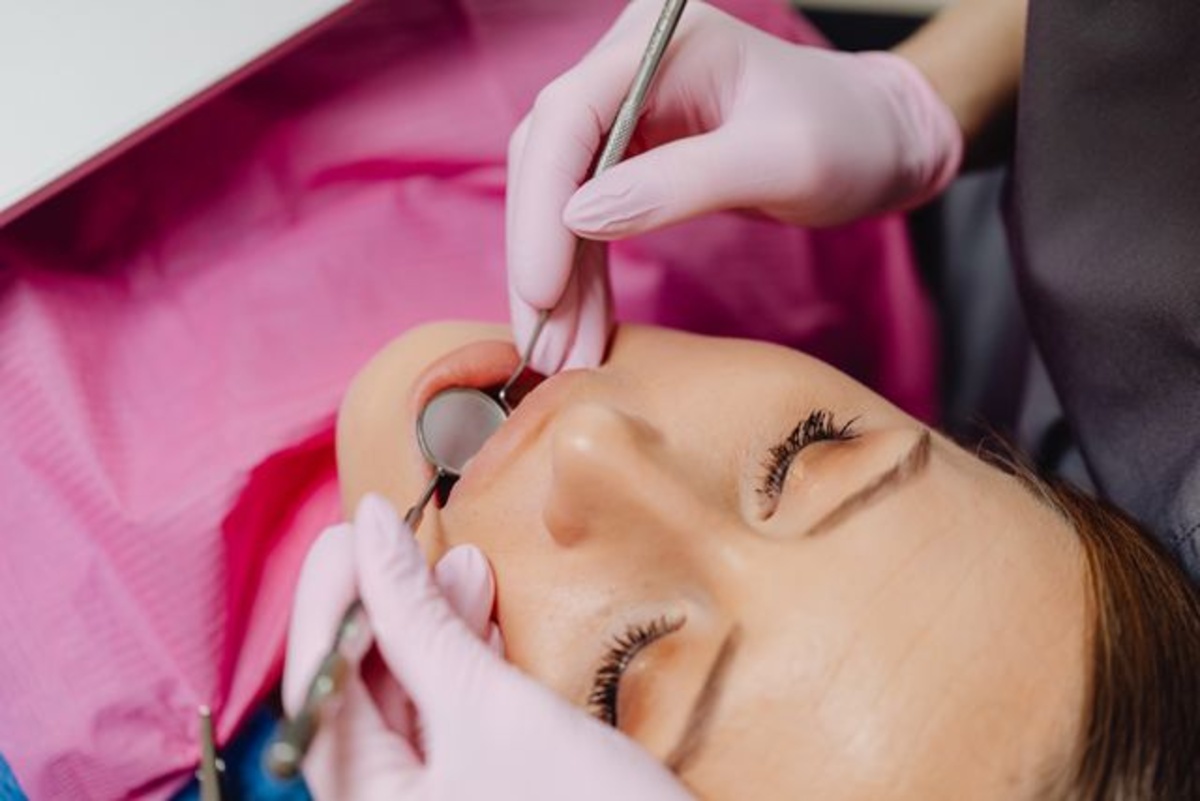
Photo by https://kaboompics.com/
Before Anyone Picks Up an Instrument
The first ten minutes are logistics, and they matter more than they look. A new patient form asks about medications, surgeries, allergies, pregnancy, and conditions like diabetes or heart disease. That is not nosy paperwork. Blood thinners affect how a provider approaches a deep cleaning, and certain heart conditions have historically prompted antibiotics before invasive dental work. Short answers cost you nothing and protect you.
Then comes the part nobody
enjoys: insurance. A quick note on the money side, because it shapes what gets
recommended. According to the Centers for Disease Control and Prevention,
regular dental visits are less common among adults without insurance or with
lower incomes. That gap is worth remembering when a treatment plan gets handed
to you. Ask what is covered, what is not, and whether there is a payment plan
before you agree to anything.
Step One: The Cleaning Comes Before the Exam
Here is the part that surprises people. The cleaning usually happens before the dentist ever appears. A hygienist scales plaque and tartar off your teeth, flosses between them, polishes the surfaces, and often takes a quick measurement of your gums. That measurement is called periodontal probing, and it is exactly as pleasant as it sounds. A thin probe slides between each tooth and your gum line to measure the depth of the pockets there.
Small numbers are good.
Deeper pockets suggest the gum tissue has pulled away from the tooth, which is
the ground floor of gum disease. This is one of the most useful five minutes of
the entire visit, and most patients have no idea it is happening. If your
hygienist reads numbers aloud and you want to know what they mean, ask. Nobody
minds. Good offices explain as they go, and if yours does not, that tells you
something about the practice.
What happens if you have not been in for years
You get a heavier cleaning,
sometimes split across two appointments, and probably a recommendation for a
deeper cleaning under the gums. That is not an upsell. Years of hardened tartar
sit below the gum line where a routine polish cannot reach, and removing it is
the only way to stop the damage from continuing. I would rather sit through one
uncomfortable afternoon than lose a tooth at forty-eight, and I say that as
someone who avoided the dentist for an embarrassing stretch in my twenties.
Step Two: The Exam Itself
Now the dentist sits down. The exam is a systematic lap of your entire mouth, not a glance at the tooth you mentioned hurting. A thorough one checks your teeth for cracks, worn edges, and soft spots. It checks old fillings for failing margins. It looks at your gums, your tongue, the inside of your cheeks, your palate, and the back of your throat. It checks your bite and how your jaw joint moves when you open and close. It presses gently along your neck and under your jaw to feel the lymph nodes.
None of that is a search for something scary. It is a baseline. The value of a baseline is comparison: next year, your dentist is not asking whether that spot on your gum looks normal in general, but whether it looks different than it did twelve months ago. That is where a steady relationship with one practice pays off, which is why people who move around from office to office often end up repeating the same conversations.
Somewhere in this stretch
the dentist will poke at your gums with that little hook, the explorer, and
call out numbers to an assistant. You will hear a string of digits. That is a
charting shorthand, and it is one of the few times in medicine where a patient
can ask for the raw data and usually get it.
Step Three: Imaging, and Why They Want It
X-rays are the one part people push back on, and honestly, the concern is fair. Radiation exposure is worth taking seriously. It is also worth keeping in proportion: dental imaging uses very low doses, and the standard interval for a healthy adult with no problems is generally measured in years, not months. The American Dental Association publishes guidance on how often X-rays are appropriate, and the short version is that your dentist should be ordering them based on your actual risk, not on a rigid schedule.
What the images show is
stuff no eye can see. Decay between teeth, bone levels around the roots, an
abscess forming under a tooth that feels fine, wisdom teeth angling into their
neighbors. Bitewing films catch cavities while they are still small enough for
a filling. A panoramic image maps the whole jaw at once. If you are pregnant or
worried about exposure, say so out loud. Your provider can adjust, postpone, or
explain exactly what they need and why.
Step Four: The Conversation at the End
This is the part worth preparing for, because it is the part people forget by the time they reach the parking lot. The dentist gives you a summary: what looks fine, what needs watching, what needs work. If there is a treatment plan, it comes with a priority order. A cracked tooth that needs a crown is urgent. A watch spot on a molar is not.
Ask for that priority order
explicitly, and ask what happens if you wait on each item. A good answer
separates "this will get worse and cost more" from "this is
cosmetic and entirely up to you." You should also leave knowing the number
for the front desk, because a practice you can actually reach when a filling
falls out on a Saturday is a practice worth keeping. That kind of accessibility
is the difference between a clinic you tolerate and one you keep, and it is one
of the reasons patients in the Peabody area tend to stay with the same North
Shore Dental Center for years rather than restarting the paperwork
somewhere new.
A short checklist for your next visit
●
Bring a current medication list, including
supplements.
●
Write down the two questions you actually care
about before you go in.
●
Ask what the gum numbers were, and write them
down for next time.
●
Ask which X-rays were taken and when the next
set is due.
●
Get the treatment plan in writing, with the
priority order attached.
What Happens After You Leave
You will probably be a little numb, a little hungry, and mildly annoyed that you cannot feel your own lip. That passes in a few hours. What stays is the record: the chart, the images, the probing numbers, the notes about what needs watching. That record is the whole point of the visit. A cleaning makes your mouth feel better for a week. A documented baseline makes the next ten years easier to manage, because problems get caught while they are small and cheap instead of large and complicated.
Oral health is also not a separate system bolted onto the rest of your body. The National Institutes of Health notes that oral health is connected to overall health, which is why a dentist poking around your gums is doing more than checking for cavities. It is also why skipping visits for a decade is not really saving you anything.
The honest measure of a good exam is not whether you got
a clean bill of health. It is whether you walked out understanding your own
mouth a little better than when you walked in, with a plan you can actually
follow through on. So next time you sit in that chair, ask the questions. What
did the numbers look like? What are we watching? What would you do if this were
your mouth? Then book the six month visit before you leave the desk, because
the people who do that are the ones who mostly stop needing surprises.
Photo Gallery


Comments