Blog
What Parents Should Look for in a School Backpack This Year
Last week, I stood in the school supplies aisle watching my daughter pick out yet another backpack covered in glitter and her favorite cartoon character. It was adorable. It was also flimsy, had one giant compartment, and straps so thin they looked like they'd snap by October.
I wanted to let her choose what she loved. But I also knew that backpack would be on her shoulders every single school day for the next nine months. And if it didn't actually work for her body and her daily routine, we'd both regret it by the second week of school.
Choosing a school backpack feels like a small decision. But when you think about how much kids actually use them and how their little bodies are still growing, it starts to feel a lot more important.
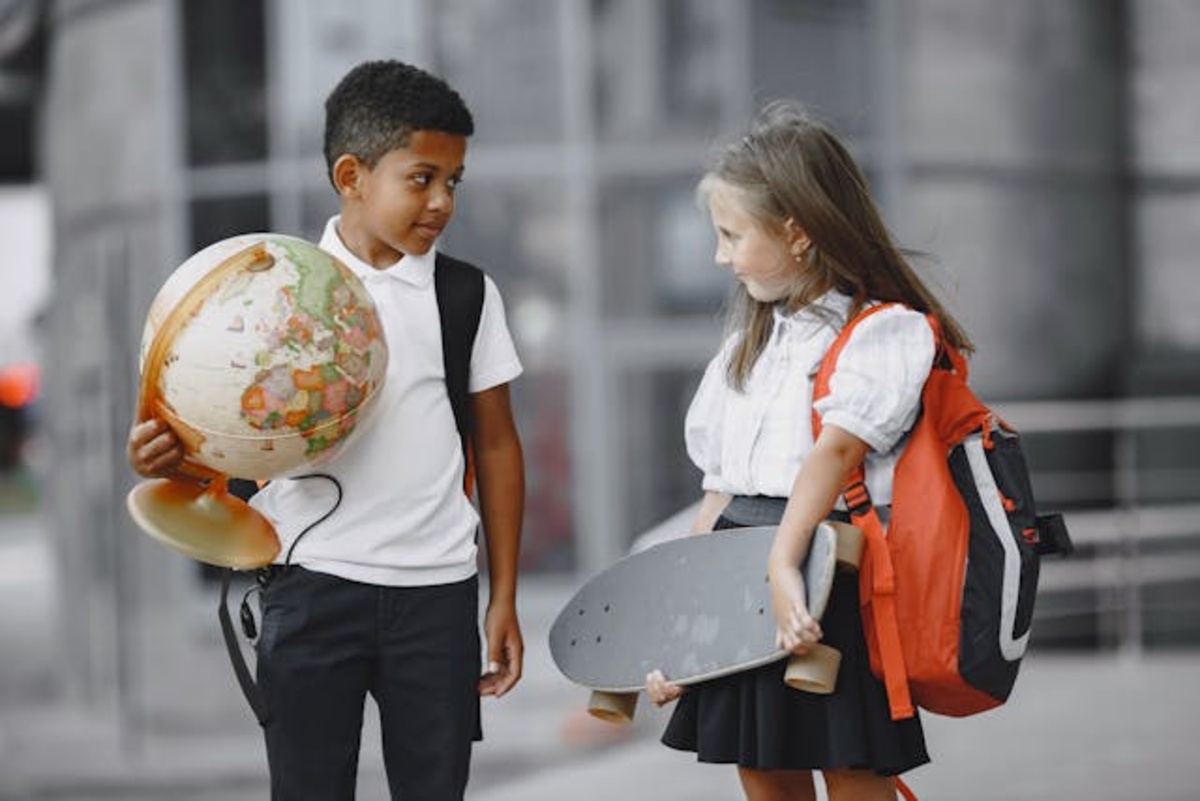
Photo by Gustavo Fring
Why Elementary School Backpacks Get Used More Than We Think
Elementary school might seem low-key compared to middle or high school, but kids at this age are building habits that stick with them for years.
They're learning how to organize their materials, keep track of their belongings, and take responsibility for what they bring to and from school. A backpack is part of that learning process.
It's also on their back almost every day. Morning drop off. Afternoon pickup. Field trips. Library day. Even just carrying it from the car to the classroom adds up over weeks and months.
When a backpack is uncomfortable, too heavy, or poorly designed, kids feel it. They might not always say "my shoulders hurt" or "this feels unbalanced," but they'll complain that the straps are annoying, that they can't find anything, or that they just don't like wearing it.
And when a backpack doesn't feel good, kids start avoiding using it properly wearing it on one shoulder, dragging it on the ground, or asking parents to carry it for them.
Comfort and Fit Matter More Than You'd Think
Kids' bodies are still developing. Their posture, core strength, and coordination are all works in progress. That's why fit and comfort should be near the top of the list when choosing a backpack.
A backpack that's too big will sit too low on their back, pulling weight away from their body and making them lean forward to balance the load. A backpack that's too small won't hold what they need, so they end up overstuffing it or carrying extra items loose.
Straps matter too. Thin, unpadded straps dig into shoulders, especially when the bag gets heavier with books or a water bottle. Adjustable straps are key because kids grow fast, and what fits in September might need adjusting by January.
Many parents now prioritize comfortable school backpacks for kids that include padded shoulder straps, a supportive back panel, and adjustable sizing to grow with their child throughout the school year.
The backpack should sit high on the back, not sagging past the hips. Both straps should always be used not just one. And when it's on, your child should be able to stand up straight without leaning or adjusting their posture to balance the weight.
Organization and Durability Go Hand in Hand
Let's be honest: elementary school kids are not naturally organized. But a backpack with some built-in structure can help.
Multiple compartments make it easier for kids to separate their lunchbox from their homework folder, keep their water bottle upright, and find their pencil case without dumping everything out on the sidewalk.
External pockets are useful for items they need quickly like a jacket, gloves, or a permission slip. Internal dividers help keep papers flat and books from shifting around.
Durability matters too, especially if you're hoping the backpack lasts more than one school year. Reinforced stitching, sturdy zippers, and quality fabric hold up better under daily use. A backpack that falls apart by December means another shopping trip and more money spent.
Kids are rough on their belongings. They drop backpacks, toss them, drag them. A well-made backpack can handle that without falling apart.
A Quick Checklist for Choosing a School Backpack
When you're standing in that store aisle (or scrolling online), here's what to keep in mind:
Fit and comfort: Does it sit high on the back? Are the straps padded and adjustable? Does it feel balanced when worn properly?
Organization: Are there compartments for different items? Is there a water bottle pocket? Can your child easily open and close the zippers?
Durability: Does the fabric feel sturdy? Are the seams reinforced? Do the zippers move smoothly?
Size: Is it appropriately sized for your child's grade and height? Does it hold what they actually need without being oversized?
Kid approval: Does your child like it enough to want to use it every day? (This matters more than we sometimes admit.)
Balancing Practical and Kid-Approved
Here's the truth: your child is going to have opinions. And that's okay.
You don't have to choose between a backpack that works well and one your child actually likes. But it does help to start with function and then find options within that category that match their style.
Let them pick the color or pattern from a selection of backpacks that already meet your checklist. That way, they feel involved in the decision, and you feel confident it's going to hold up.
The Right Backpack Makes the Year Easier
A good school backpack won't solve every back-to-school challenge. But it does make daily routines smoother, reduces complaints about discomfort, and helps kids stay a little more organized.
And when your child can comfortably carry their belongings, keep track of their materials, and move through their school day without struggling with an uncomfortable or falling-apart backpack, that's one less thing for both of you to worry about.
So yes, let them have the glitter. Let them choose the color. But make sure what's underneath all that personality is a backpack that actually works.
Because nine months is a long time to regret a back-to-school decision.
Photo Gallery


Comments