Blog
Why Curiosity Matters More Than Memorization in Early Learning
Children have a remarkable way of turning ordinary moments into discoveries. A stick becomes a magic wand, a puddle becomes an experiment, and a single question about a butterfly can lead to an entire afternoon of excitement and exploration. During the early years, curiosity naturally drives learning in ways that feel joyful and effortless. That is why many families searching for daycare greenwood indiana are paying closer attention to learning environments that encourage children to ask questions, explore nature, and think independently instead of focusing only on memorization and repetition.
Early childhood education has changed significantly over time.
Parents and educators increasingly understand that strong learning does not begin with worksheets or memorizing facts alone. Young children learn best when they feel engaged, emotionally supported, and genuinely interested in the world around them.
Curiosity creates that engagement naturally.
When children become excited about discovering something new, learning stops feeling like a task and begins feeling like an adventure.
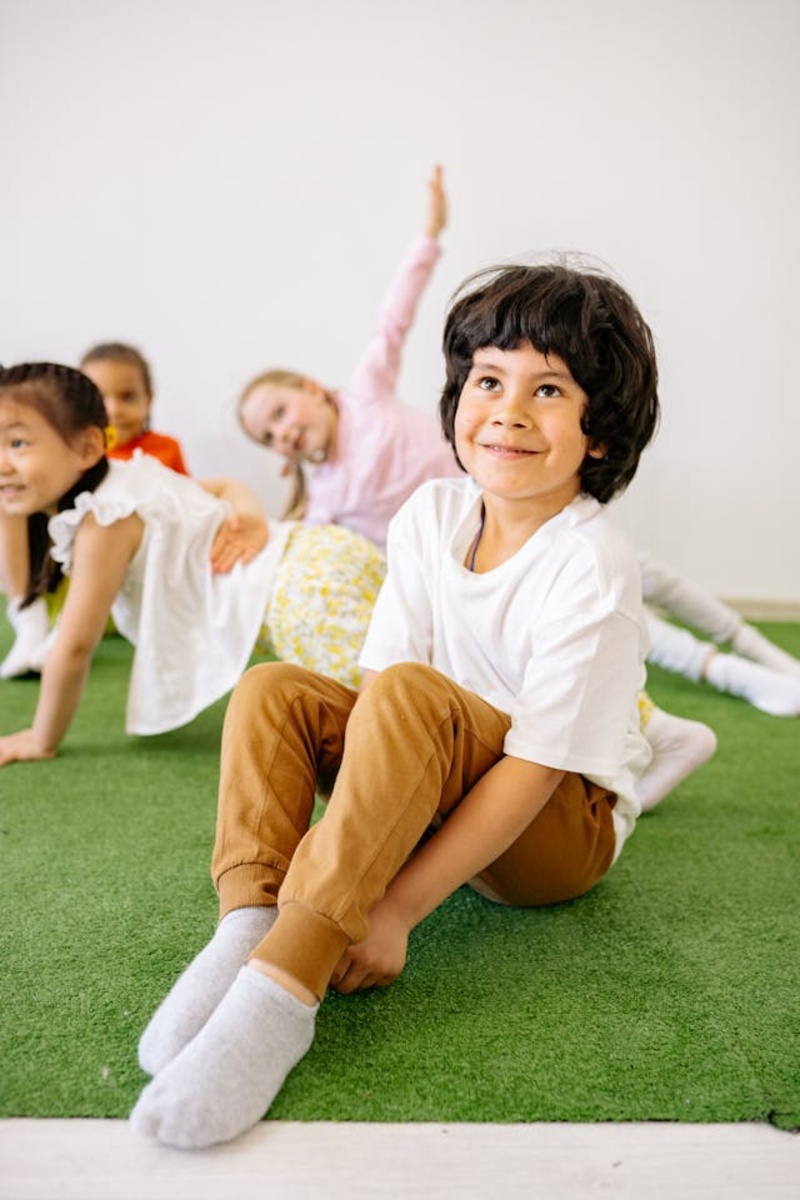
Photo by Yan Krukau
Children Learn Best Through Exploration
Young children are naturally driven to explore.
A toddler may spend ten minutes carefully watching ants move across the ground. Another child might collect leaves simply because each one feels different. These moments may seem small from an adult perspective, yet they are deeply valuable learning experiences.
Exploration teaches children how to observe, compare, question, and connect ideas independently.
When children are encouraged to investigate the world around them instead of simply receiving answers immediately, they begin developing stronger problem-solving skills and greater confidence in their own thinking.
This process feels natural because it matches the way young children are designed to learn.
They are not simply absorbing information. They are actively building understanding through experience.
Memorization Has Limits During Early Childhood
Memorization certainly has its place in learning. Remembering numbers, colours, letters, and routines helps children build important foundational skills.
The problem appears when memorization becomes the main focus too early.
Children may learn to repeat information without fully understanding what it means or why it matters. A child who memorises facts mechanically may struggle to apply knowledge creatively or think independently later on.
Curiosity-based learning creates deeper understanding.
Instead of simply learning that plants need water, children who grow flowers or vegetables themselves begin understanding how nature changes over time. Instead of memorising weather terms, children observing clouds outdoors start recognising patterns naturally.
These experiences create stronger emotional connections to learning because children participate directly in discovery.
Nature Encourages Genuine Curiosity
Outdoor learning environments offer endless opportunities for children to explore naturally.
Leaves change colour, insects move differently, birds build nests, rain creates puddles, and flowers bloom gradually over time. Nature constantly invites children to observe and ask questions without needing formal instruction.
This kind of learning feels exciting because every day brings something slightly different.
Children begin noticing details independently. They compare textures, sounds, temperatures, and movement while building sensory awareness through real experiences. These moments often lead to meaningful conversations and creative thinking.
A simple outdoor activity can support science, communication, social interaction, creativity, and emotional development all at once.
That balance makes nature-based learning incredibly effective during early childhood.
Independent Thinking Begins With Questions
One of the most valuable things children can develop early in life is confidence in asking questions.
Questions show curiosity, engagement, and a willingness to think critically. Yet some learning environments unintentionally discourage questioning by focusing too heavily on correct answers and rigid routines.
Supportive preschool programs understand that curiosity deserves encouragement.
When children ask why leaves fall, how shadows move, or where birds sleep at night, educators can guide them toward discovering answers through exploration instead of simply responding immediately.
This process helps children become active participants in learning.
They begin understanding that knowledge is something they can explore and build themselves, not just something delivered by adults.
That mindset can positively influence learning for many years into the future.
Emotional Development Supports Learning Too
Children learn more effectively when they feel emotionally safe and supported.
A child who feels comfortable expressing ideas and asking questions is far more likely to engage confidently during activities. Curiosity thrives in environments where children feel respected, encouraged, and free to explore without fear of mistakes.
Thoughtful educators recognise the emotional side of learning.
Instead of focusing only on outcomes, they create positive experiences that build confidence gradually. Children become more willing to experiment, problem-solve, and try unfamiliar activities when they know mistakes are accepted as part of learning.
That emotional security creates stronger independence over time.
Children begin trusting their own ideas instead of constantly searching for approval or the “right” answer.
Sensory Experiences Create Stronger Connections
Young children experience the world through their senses first.
Touching bark, smelling flowers, hearing birds, feeling mud, or watching water move across different surfaces all help children process information in meaningful ways. Sensory experiences support cognitive development while also strengthening curiosity naturally.
These experiences often feel more memorable than traditional instruction because they involve full participation.
A child who physically explores how sand changes when mixed with water develops understanding through direct experience. Learning becomes connected to movement, observation, and emotion instead of abstract memorization alone.
This approach also supports children with different learning styles.
Some children connect strongly through movement and touch, while others learn best through visual exploration or hands-on experimentation. Sensory learning creates flexibility that helps more children feel engaged successfully.
Social Learning Happens Naturally Through Curiosity
Curiosity also encourages communication and collaboration.
Children exploring together naturally begin sharing observations, asking each other questions, and solving small problems as a group. These interactions help build social confidence and communication skills during important developmental years.
Group exploration activities often create beautiful moments of teamwork.
One child notices a caterpillar while another suggests building something nearby with sticks or leaves. Conversations develop naturally because children are genuinely interested in what they are experiencing together.
These social interactions help children learn how to listen, cooperate, and express ideas clearly while still enjoying the learning process.
Learning Becomes More Enjoyable
One of the biggest advantages of curiosity-driven learning is that children genuinely enjoy it.
When children feel excited about discovering something new, learning becomes associated with positive emotions instead of pressure or boredom. This emotional connection matters more than many people realise.
Children who enjoy learning during early childhood are often more willing to stay engaged academically later on.
They begin approaching new experiences with confidence and enthusiasm instead of hesitation. That mindset can influence school experiences, creativity, and self-confidence long after preschool years have passed.
Enjoyment also creates stronger participation.
Children naturally focus longer and engage more deeply when activities feel meaningful and interesting to them personally.
Building Lifelong Learners Instead of Passive Learners
The goal of early childhood education should extend far beyond memorising information temporarily.
Strong preschool programs help children develop curiosity, independence, confidence, emotional awareness, creativity, and problem-solving skills that support growth throughout life.
When curiosity becomes part of learning early on, children begin understanding that knowledge is something exciting to explore rather than something forced upon them.
That shift changes everything.
Instead of waiting passively for answers, children become eager participants in discovering the world around them. They ask questions, investigate ideas, and develop confidence in their own thinking through everyday experiences.
And often, those early moments of wonder found in nature, sensory play, and thoughtful guidance become the beginning of a lifelong love of learning that continues growing far beyond the preschool years.
Photo Gallery


Comments