Blog
Why Keeping Food in Natural Wraps Is Safer Than Using Plastic
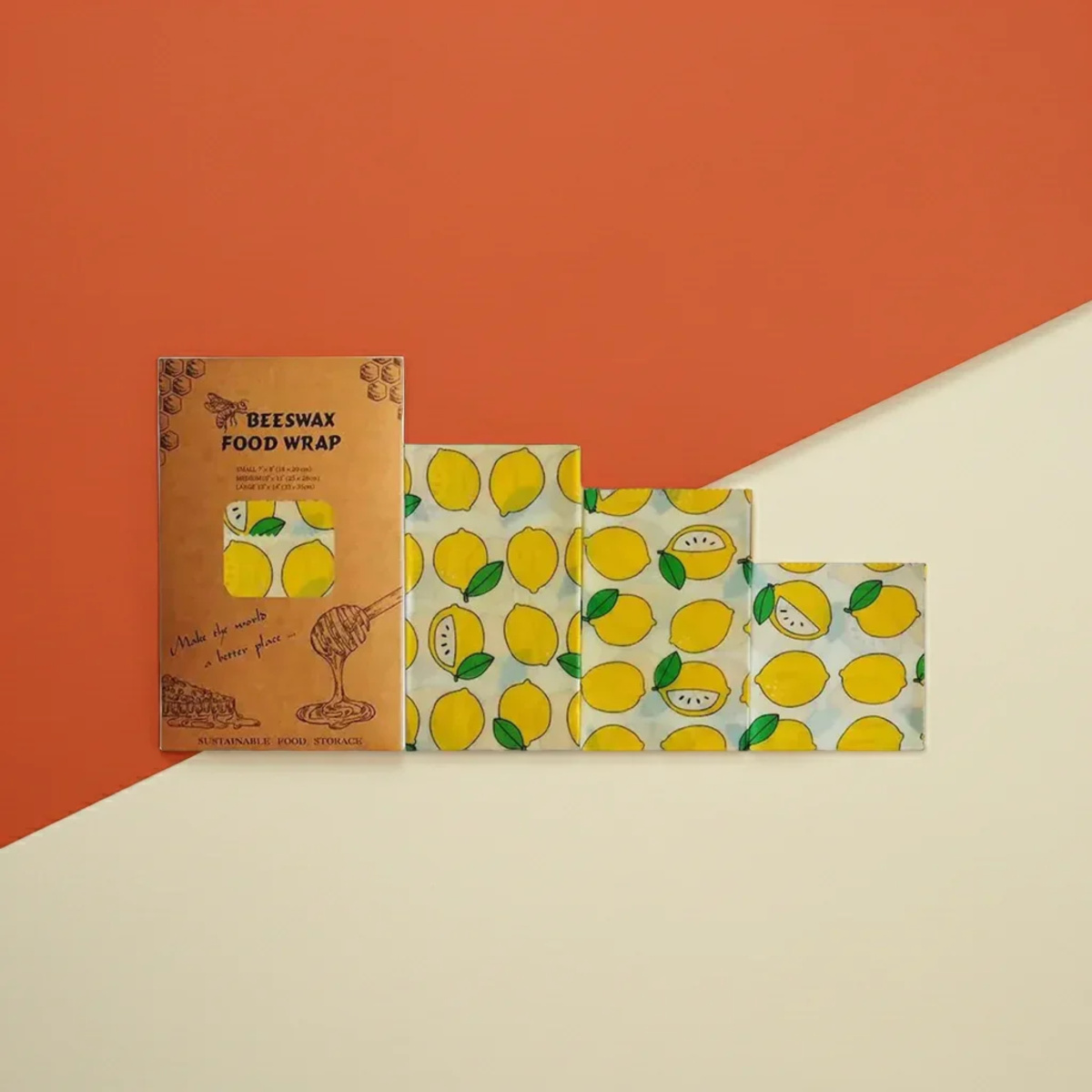
Food storage is a daily habit, yet it has a direct impact on both your health and the environment. For years, plastic wrap has been the default choice for covering and preserving food. While it may seem convenient, concerns about chemical exposure and environmental damage have led many people to look for safer alternatives. Natural wraps provide a simple, effective solution that protects your food without the risks associated with plastic. By making a small change in your kitchen routine, you can improve both food safety and sustainability.
The Hidden Risks of Plastic Wrap
Plastic wrap is widely used because it’s cheap and easy to handle, but it comes with downsides that are often overlooked. Some plastics contain chemicals that can transfer into food, especially when exposed to heat or when used to cover oily or acidic items. Over time, this can raise concerns about long-term health effects.
Another issue is how plastic traps moisture. While it creates a tight seal, it can also cause condensation to build up, which may lead to faster spoilage or create a breeding ground for bacteria. This means your food may not stay as fresh as you expect.
In addition, plastic wrap is typically single-use. Once discarded, it contributes to landfill waste and environmental pollution, taking years to break down. This makes it not only a questionable choice for food safety but also for eco-conscious living.
Why Natural Wraps Are a Safer Choice
Beeswax food wraps are designed to keep food fresh while avoiding harmful materials. They are usually made from cotton infused with beeswax, plant oils, and natural resins. These ingredients create a protective yet breathable layer that helps maintain the right balance of moisture.
Unlike plastic, natural wraps allow food to “breathe”. This reduces excess humidity and helps prevent spoilage. At the same time, they still provide enough coverage to protect food from air exposure and contamination.
Another key benefit is reusability. Natural wraps can be used multiple times, making them both cost-effective and environmentally friendly. With proper care, they remain effective for months, reducing the need for constant replacement.
Improving Food Freshness and Quality
Natural wraps don’t just make food storage safer—they can also improve the overall quality of your ingredients. Because they allow for better airflow, foods tend to maintain their original texture and taste for longer.
For example, bread stored in breathable wraps stays soft without becoming soggy, while vegetables remain crisp instead of wilting quickly. Using beeswax food wraps can help extend the life of your groceries, reducing waste and saving money over time.
Another benefit is visibility and organization. Natural wraps often make it easier to see and access your food, encouraging better kitchen habits and reducing the chances of forgotten leftovers.
A Simple Change with Big Impact
Switching to natural wraps doesn’t require a major lifestyle change. It’s a small adjustment that can be introduced gradually. Start by replacing plastic wrap in your most common storage tasks, like covering leftovers or packing snacks.
Beeswax food wraps are especially convenient because they can be shaped with the warmth of your hands, making them adaptable to different containers and food items. Once you get used to using them, they quickly become a natural part of your routine.
Over time, this simple switch can lead to a healthier kitchen environment and a noticeable reduction in plastic waste.
Environmental Advantages of Natural Wraps
In addition to being safer for your health, natural wraps are far better for the planet. They are made from renewable materials and are biodegradable, meaning they won’t sit in landfills for decades.
Each time you reuse beeswax food wraps, you’re reducing the demand for single-use plastics. This small action contributes to a larger effort to minimize pollution and protect natural resources.
By choosing reusable options, you’re supporting a more sustainable way of living—one that values long-term impact over short-term convenience.
Conclusion
Keeping food in natural wraps is a safer and more responsible alternative to using plastic. From reducing chemical exposure to preserving food quality and cutting down on waste, the benefits are clear. Natural solutions like beeswax wraps offer a practical way to protect your food while supporting a healthier lifestyle.
Making the switch doesn’t have to be complicated. With simple, reusable options, you can create a safer kitchen environment and take a meaningful step toward sustainability.


Comments