Blog
Why Restaurant Tables Are the Secret to Hosting Bigger, Better Family Dinners at Home
There is a quiet difference between a dinner that feels improvised and one that feels unforgettable. It is not always the recipe. It is not the centerpiece. Often, it is the restaurant tables.
Walk into any beloved neighborhood bistro or bustling steakhouse, and you will notice something subtle. The tables are built for presence. They hold weight, conversation, and an elebration. They are wide enough for shared platters, steady enough for raised glasses, and spacious enough for elbows to rest without apology. Bringing that same energy into your home can transform ordinary gatherings into something that feels larger than life.
In a time when families are rediscovering the value of shared meals, especially after years of fragmented schedules and digital distractions, the right table becomes more than furniture. It becomes a stage for connection.
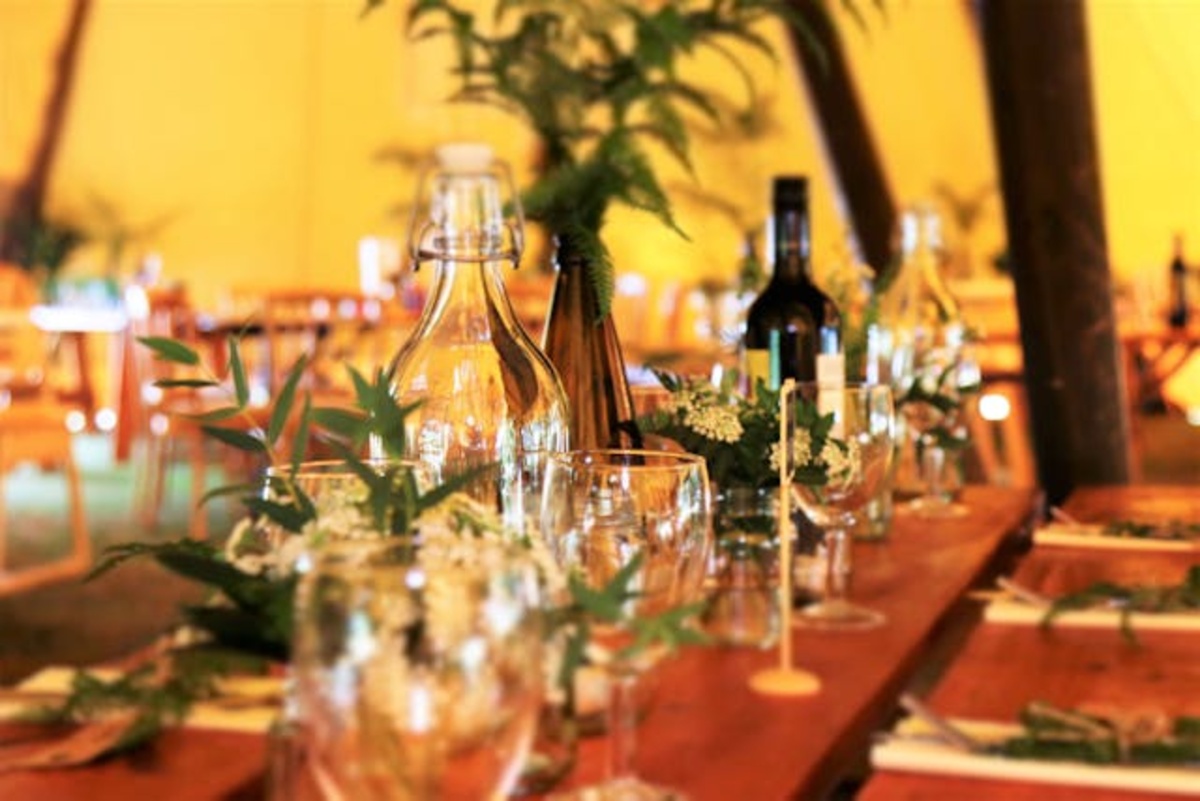
Photo by Expect Best
The Scale That Changes Everything
Most residential dining tables are designed for daily use by four to six people. That works until Thanksgiving rolls around or a birthday turns into a last-minute guest list expansion.
Restaurant tables are different by design. Commercial hospitality spaces plan for higher capacity, longer seating times, and more dynamic movement around the table. Standard restaurant tabletops typically range from 30 by 60 inches to 36 by 72 inches, giving hosts the flexibility to seat eight or more guests comfortably. In contrast, many home tables stop at around 60 inches.
That additional foot of surface area may not sound dramatic, but it changes everything. Suddenly, there is room for:
Large serving trays without crowding plates
Decorative centerpieces that do not interfere with conversation
Extra place settings for surprise guests
With more breathing room, dinners feel generous instead of cramped. Guests relax. Conversations flow.
Built for Real Life, Not Just Occasions
Family dinners are rarely delicate affairs. There are heavy casserole dishes, cast-iron pans, spilled drinks, and sometimes the enthusiastic slam of a serving spoon. Restaurant tables are engineered to withstand this reality.
Commercial-grade wood tops are often thicker, sometimes 1.5 inches or more, and finished with protective sealants designed for constant use. Laminate and resin surfaces used in restaurants are chosen for their resistance to scratches, moisture, and heat. In hospitality settings, these tables endure dozens of seatings per day. At home, that level of durability feels almost luxurious.
According to industry data, the global restaurant furniture market is projected to grow steadily through the end of the decade, driven by demand for durable, high-traffic solutions. That same logic applies beautifully to a home that hosts often. Investing in a table designed for commercial performance means fewer worries about wear and tear over time.
When the furniture feels strong, the host feels confident.
Creating a Sense of Occasion
There is something psychological about sitting at a table that feels substantial. Weight matters. Proportion matters. Even the sound of plates settling onto a solid surface carries a different tone.
Restaurant tables typically feature thicker bases, sturdy pedestal supports, or heavy-duty legs that anchor the room visually. This grounding effect can instantly elevate a casual dinner into something that feels intentional. The room feels complete.
Imagine a wide rectangular table stretching across the dining space, candles lining the center, and serving bowls placed without strategic stacking. Guests sit without knocking knees. Children have space to color while adults linger over dessert. The table becomes a quiet statement: " This gathering matters.
Interior designers often speak about scale as the secret ingredient in room design. In dining spaces, scale is defined by the table first. A restaurant-style table introduces a sense of proportion typically reserved for professional hospitality spaces.
Flexibility for Growing Guest Lists
Family life is rarely static. Children grow. Friends bring partners. Neighbors drop by. A table that once felt generous can suddenly feel tight.
Many restaurant tables are modular. Square tops can be pushed together to create long, banquet-style seating. Pedestal bases allow chairs to slide in without obstruction. Standardized dimensions make expansion seamless.
This flexibility opens creative possibilities at home. Hosting twelve instead of eight no longer feels impossible. You can rearrange layouts for holidays, graduation parties, or milestone anniversaries without renting equipment or borrowing folding tables.
In the United States, surveys consistently show that families who eat together at least three times per week report stronger emotional bonds and improved communication. While the meal itself matters, the physical environment supports that ritual. A table that adapts to larger gatherings reinforces the idea that everyone has a place.
The Visual Impact of Hospitality Design
Restaurant environments are carefully curated to make guests want to stay. Lighting, seating, and table layout are all chosen with intention. Bringing restaurant tables into a residential setting introduces that hospitality mindset into everyday life.
A reclaimed wood table with a substantial base can add warmth and authenticity. A sleek industrial top paired with metal legs can create a modern, urban feel. Round commercial tables encourage eye contact and conversation in a way that long, narrow surfaces cannot.
The beauty of restaurant furniture lies in its variety. From rustic farmhouse aesthetics to polished contemporary finishes, these tables are designed to anchor diverse interiors. At home, they offer the same design authority.
And there is an unexpected bonus. When your dining area feels like a place people would happily pay to visit, hosting becomes less stressful. The space does part of the work for you.
Hosting Without Limits
Think about the last time you hosted a large dinner. Did you rearrange chairs from other rooms? Did you worry about scratches? Did you hesitate before placing a hot dish down?
Now imagine a setup where none of that crosses your mind.
Restaurant tables are designed for hosting. They assume noise, laughter, movement, and abundance. That assumption changes the way you behave as a host. You become more relaxed, more generous, more willing to invite one more person.
No fear of crowded plates
No scrambling for extra surface space
No compromise between beauty and durability
What emerges is a new kind of family dinner, one where the focus shifts fully to people, not logistics.
A Table That Tells a Story
Furniture shapes memory more than we realize. The worn edge where a child once leaned. The faint mark from a birthday candle that burned too low. The corner where someone always sits.
Restaurant tables carry an inherent sense of history because they are designed for repetition. Meal after meal, gathering after gathering. When that spirit enters a home, it encourages tradition.
A larger, sturdier table invites ritual. Sunday pasta nights. Annual holiday feasts. Spontaneous weeknight dinners that stretch longer than planned. The table becomes the constant while life changes around it.
In a world increasingly defined by speed, a substantial dining table sends a quiet message. Stay a little longer.
Gathering With Intention
Choosing a restaurant table for your home is not about copying a commercial space. It is about borrowing the wisdom of hospitality design. Restaurants understand that comfort, scale, and durability directly influence how people feel.
At home, those same principles apply. A well-sized, well-built table encourages bigger guest lists, more elaborate spreads, and longer conversations. It supports the kind of dinners that children remember decades later.
Family gatherings do not need to be extravagant to be meaningful. They simply need room to unfold.
By introducing the strength and scale of restaurant tables into your dining room, you create that room. You create space for abundance, for laughter, for second helpings, and stories that run past midnight.
And sometimes, the secret to hosting bigger, better family dinners is not in the kitchen at all. It is right beneath your plates.
Photo Gallery


Comments