Blog
Why Your Roof Takes the Worst of Every Storm (And What To Do After It Does)
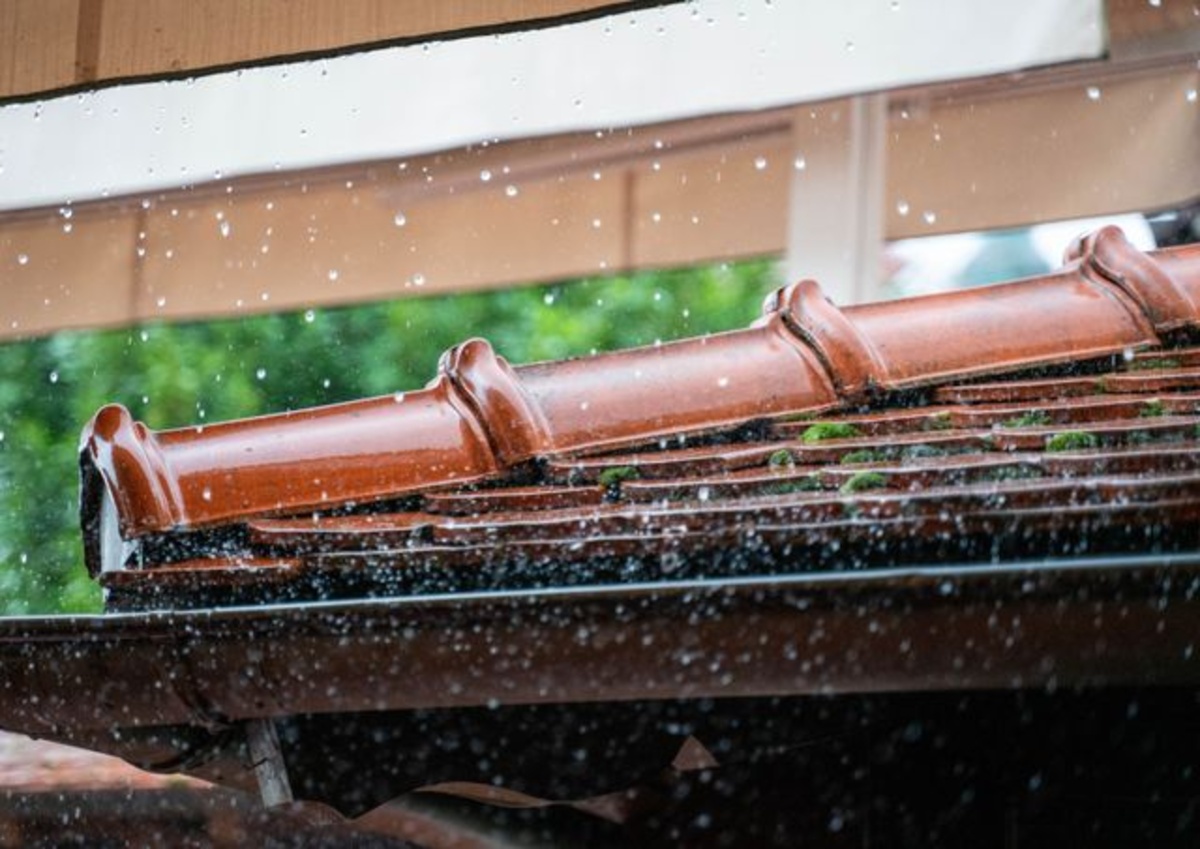
Your roof absorbs every
single thing the sky throws at it, and it does that job silently for years. So
when a storm rolls through, your roof is the first thing in the house to take a
beating and the last thing you think to check. I have watched neighbors in
storm country spend a weekend scrubbing siding and mopping a flooded garage
while a cracked pipe boot quietly dripped into their attic every time it
rained, and no one noticed for months.
A few days after a big
weather event, I did what I usually do and got up on a ladder to eyeball the
shingles. What I found was a missing ridge cap, a torn fascia edge, and a pile
of granules sitting in the gutter like dark sand. That is the moment you start
making phone calls. Calling roof storm damage services in Chantilly is the move I would make before climbing a ladder of
my own, because a legit contractor can look at the same shingles from the
ground with a drone or a scope and tell you whether you have a real problem or
just a bad hair day.
So here is the honest
version of what actually happens to your roof during a storm, and what you
should do about it, in the order you should do it.
What storms actually do up there
Storms are not one thing.
They are a handful of different attacks happening at once, and each one leaves
a different fingerprint on your roof.
Hail hits the shingles like a hammer, knocking loose the
protective granules that shield the asphalt from ultraviolet light. Once those
granules are gone, the mat underneath ages fast, and the next big storm can
tear it apart. Hail also dents and cracks flashing, which is the metal
detailing around chimneys, vents, and valleys that keeps water from sneaking
underneath.
Wind is the sneaky one. Straight-line wind can peel back
shingles at the edges without visibly tearing them off. A lifted shingle is a
hinged shingle, and water slides right underneath it. If you have ever seen a
shingle flap on a windy day, that is the failure mode you are watching.
Debris is what most people picture. Branches, limbs, and
whatever the neighbor's trampoline used to be all launch into the air and take
aim at the roof plane. This kind of damage is easy to spot because you can see
the hole.
Torrential rain does the work of getting into every microscopic
opening the other three created. It is the messenger, not the culprit. If your
ceiling is stained brown, the rain found a way in, and the actual damage
started somewhere upstream.
How to spot damage yourself without climbing on the roof
You do not need to get up
on the roof to do a useful first pass. Use binoculars from the yard, or stand
at the far end of the driveway and look along the roof plane at a low angle.
Things you are looking for:
●
Shingles that
look like a checkerboard where some are darker or missing
●
Granules
collecting at the bottom of downspouts or gutter outlets
●
Dents on your
gutters or on the metal flashing around the chimney
●
A ceiling stain,
a musty smell in the attic, or daylight poking through the roof boards
●
Lifted, curled,
or wrinkled shingle tabs, especially at the edges and ridgelines
I keep a cheap pair of
10x42 binoculars in the garage for exactly this, and they have paid for
themselves ten times over. Take photos of anything that looks off, along with a
photo of your whole house from the curb. Those two shots become the anchor for an
insurance conversation later.
Should you call someone or wait it out?
Call someone. The tricky
part of roof damage is that most of it is invisible from the ground, and the
compounding happens underground, meaning in your attic and inside your wall
cavities. Water that gets in during one storm sits inside the decking and insulation
and quietly feeds mold, rot, and ruined drywall until the next storm makes
everything worse.
Minor cosmetic damage is
a real category, and you might be told to just monitor it. The catch is knowing
the difference between cosmetic and structural, and that is not a call most
homeowners should make on their own. According to severe weather guidance from
the National Weather Service,
the safest practice after a damaging storm is to document the damage thoroughly
and avoid putting yourself at risk to inspect or repair it yourself. That is
basically a professional-grade argument for calling a roofer you trust and
letting them take the risk.
Documenting damage like a pro
Insurance claims live and
die on documentation. The good news is that you do not need any training to do
this well. Here is the sequence I would follow:
1. Photograph the
roof from ground level and from several angles, including the damaged section
close up.
2. Photograph
interior water stains, attic moisture, or anything that looks like it has
started to leak.
3. Note the date of
the storm and save any weather alert screenshots from your phone.
4. Keep receipts for
any emergency tarping, even if you did it yourself.
5. Do not throw away
damaged materials until your adjuster has seen them.
The insurance process
itself is a place where a professional eye genuinely helps. According to
standards published by the National Institute of Standards and
Technology, wind damage to roof
coverings is one of the most studied and standardized areas of building
performance, and that body of research is why a contractor can point to
specific failure patterns instead of guessing. When a roofer can walk out to
your curb and say "that is classic wind uplift from the northwest
corner," that language matters when your claim goes in.
Choosing a contractor you will not regret
Storm chasing is a real
thing, and every big weather event brings a wave of out-of-state trucks with
magnetic signs and prices that sound too good to be true. Some of them are
legitimate. Many are not. Here is how I would filter them:
Ask for a local address
and a license number you can check. Ask how long they have been working in your
region, because a roofer who has done hundreds of roofs in your exact climate
knows which details fail first. Look them up with the Better
Business Bureau and read recent
reviews, not the highlighted five-star ones. And get everything in writing,
including the scope, materials, timeline, and payment schedule. Never pay the
full amount up front, ever, no matter how friendly the salesperson is.
A roofer who has been
doing this in your area for decades and has a local reputation to protect is
worth more than a discount that vanishes with the truck.
What to do in the first 48 hours
Here is the short
version, and it is also a decent refrigerator-list checklist:
After the storm clears
and it is safe to go outside, walk the perimeter of your house and take photos.
Check the attic with a flashlight for daylight or wet spots, but only if it is
safe to get up there. Tarp anything actively leaking if you can do it safely
from the ground, and call a pro if you cannot. Then get an inspection
scheduled, even if the damage looks minor. The cost of a professional
inspection is nothing compared to the cost of a rotted deck that has been
soaking for three months.
Your roof has one job,
and it does that job whether you are watching or not. The only move that is
entirely on you is calling someone before the next storm finishes what the last
one started. So what is stopping you?
Photo Gallery


Comments