Blog
Wrought Iron Front Doors: What Your Curb Appeal Has Been Missing
Your front door is doing more work than you think. It is the thing your guests touch before they touch anything else in your home, and it is the surface most likely to make a stranger decide whether your place looks loved or neglected. I spent last summer watching my neighbor repaint his wood door three separate times because it kept swelling and cracking in the humidity, and every coat cost him a weekend. That is the quiet tax wood doors charge you. Steel insulates well and vinyl is cheap, but neither one makes a house look like it belongs on a block people slow down to admire.
This is where wrought
iron doors for sale enter the conversation, and I want to be honest
about why they earned my attention. I am not a door salesman and I do not own
one yet. I am a homeowner who has patched, painted, and replaced enough
entryway hardware to know what matters. What follows is the practical version
of what I learned while researching the material, plus what an iron door
actually demands from you after the install crew drives away.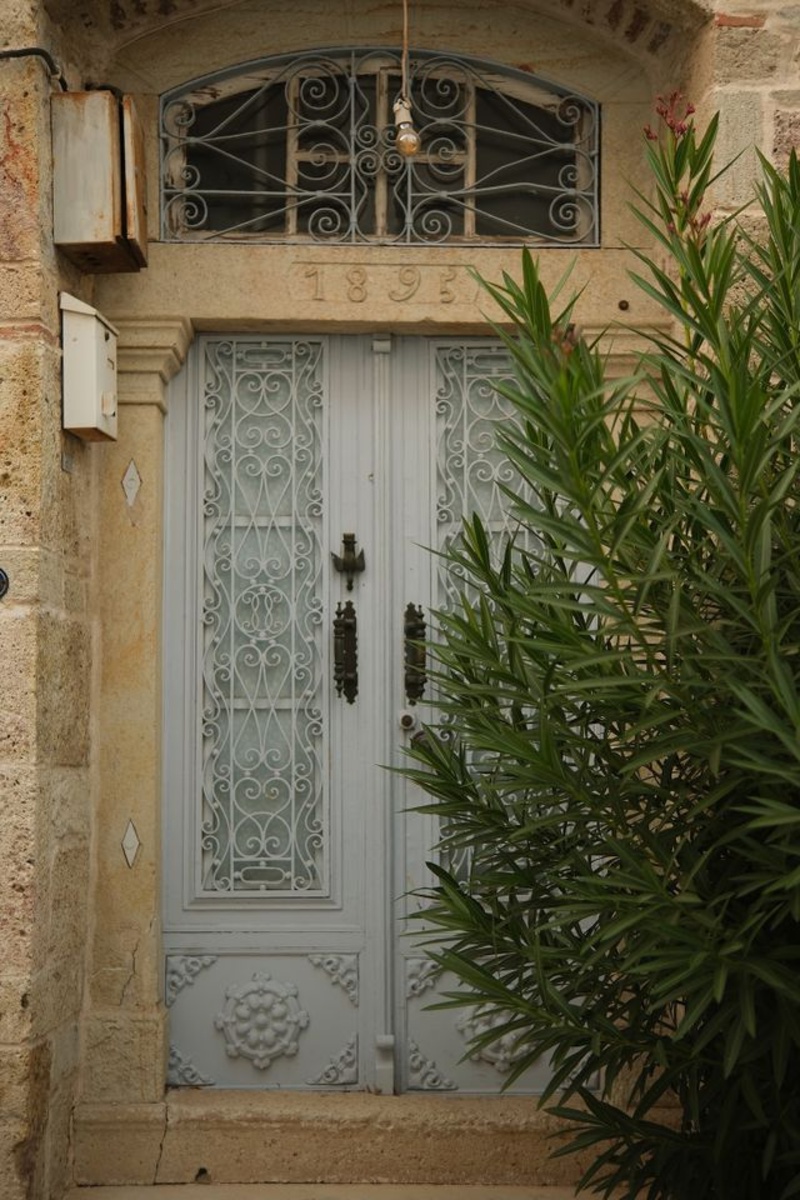
Photo by Nuray Gören
What Makes Wrought Iron Different From a Steel Door
Walk through any builder-grade subdivision and you will see the same knockoff design on every third house. Steel entry doors dominate the market because they hit a price point and because factory finishes hold up well enough for a while. Iron offers something steel structurally cannot: geometric depth. The material gets hand-cut and hammered, so hardware and hinges become part of the composition instead of an afterthought bolted on at the end.
The distinction is about how
the door handles weather. A hollow steel door has a thin skin over a foam core.
A wrought iron door has thickness you can feel when it closes, and that mass
matters in two ways. First, it dampens outside noise, which is the upgrade my
spouse noticed before I did. A truck idling outside used to rattle the whole
hallway. Second, iron absorbs and holds heat differently, and the Department of
Energy notes that a door's material and construction affect how much heat moves
between your home and the outdoors. That does not mean an iron door turns your
entry into an insulated wall, and I would not oversell it. It sits above wood
in thermal performance once you factor in the finished construction.
The One Question People Get Wrong
Will it rust? That is the first thing my brother asked when I mentioned iron, and it is the wrong worry entirely. The right question is about finish maintenance. Real wrought iron sits under a powder coat that gets baked on in a controlled setting. That coating is what stops moisture from reaching the metal underneath. As long as the coating stays intact, rust never becomes a real issue.
Where people go wrong is the
same place they go wrong with a car. A tiny rock chip or a scratch in the
powder coat exposes bare metal, and that spot will start to pit if it sits wet
for months. This is a manageable problem, not a deal-breaker. Treat the door
the way you treat the paint on your car. Touch up any chip before the rainy
season, and you are fine. Ignore it for three years, and you are calling
someone.
How to Size and Hang an Iron Door
Doors are not a
one-size-fits-all purchase, and iron is heavier than wood, so the numbers
matter more here. The National Institute of Standards and Technology
coordinates the standards that guide construction and building trades in the
United States, and the dimensions they specify are why you should never order
an entry door by eye.
Measure twice, then measure the wall
Here is the sequence I would follow before ordering
anything:
●
Record the rough opening: the height and width
of the framed hole.
●
Record the finished opening: the visible frame
dimensions.
●
Check the wall thickness, because a thick jamb
on a thin wall will not sit flush.
●
Check that the frame is square by measuring both
diagonals.
●
Confirm the hinge side and the swing direction
you actually want.
The hinge side sounds
trivial until you install the door backward and your arm hits the wall every
time you carry groceries in. Sketch the swing on paper and stand in the doorway
with your hands full. That five minute exercise saved me a very expensive mistake.
Installation reality check
A wrought iron slab weighs
considerably more than a standard steel or wood door. That means more
than heavy lifting. Your framing and your threshold need to be solid, and this
is a project I would not hand to a general handyman who has never hung iron
before. Hire an installer who has done it, or order from a company that handles
delivery and installation together. The savings from a cheap independent
installer disappear fast if the door sags in year two.
What Nobody Tells You About Iron Doors
You have probably heard the phrase "iron doors last
forever," and technically that is close to true. What gets left out is
that the finish is the part that ages, not the metal. I want to hand you the
framework I now use with every exterior product, and I call it the Four Seasons
Test. Score any entry door on how it behaves in summer heat, winter freeze,
spring rain, and fall temperature swings, then ask which of those four is your
home's worst enemy.
For coastal humidity, it is almost always the transitional seasons that punish a finish. For desert climates, it is the daily thermal swing that cracks coatings over time. For a mid-continent home, it is the freeze-thaw cycle that finds every weak point. The Four Seasons Test is not a marketing checklist. It is a question you ask a seller before they hand you a spec sheet, because a company that cannot explain how its finish holds up across seasons is a company that has not thought about it much.
The other thing worth saying
plainly: check the historic register before you assume you cannot change your
entry. If your house sits in a historic district, exterior changes may need
approval, and the National Park Service maintains the register of historic
places and the preservation guidance that goes with it. Most homes do not fall
under these rules. But if yours does, you want to know before the door ships,
not after.
Is It Worth the Cost?
Here is my honest stance. Wrought iron is not the budget
choice, and I would never pretend otherwise. If your plan is to flip the house
in two years, spend the money on a new roof or a bathroom update instead. Those
move faster. But if this is the house you plan to sit in for a decade, the math
shifts. You are buying an entry that never needs repainting, that resists the
sun, and that your kids will not ding up with a bicycle handlebar. You are also
buying the look, which matters whether or not we admit it. That first
impression at the curb is real, and it is the one thing about your home I would
argue with anyone about. Your door is the handshake, and it is the only part of
your house a stranger ever touches on the way in. Choose it like you mean it.
If you have been putting off the upgrade for years, the question is not whether
iron costs more today. It is how many more weekends you want to spend holding a
paintbrush.
Photo Gallery


Comments