Blog
From Bones to Broth: The Secrets to a Richer Homemade Beef Stock

There is something deeply satisfying about turning a handful of simple ingredients into a pot of rich, savory stock. Store-bought versions are convenient, but making your own gives you control over the flavor, richness, seasoning, and final consistency. More importantly, good beef stock becomes one of those ingredients that quietly makes everything else taste better.
The process is not particularly complicated. What matters is understanding what each stage contributes. The bones create body, browning builds depth, aromatics round out the flavor, and patient cooking brings everything together. Get those fundamentals right, and homemade stock becomes much less mysterious.
The Best Stock Starts With the Bones
Not all beef bones contribute the same thing to a pot.
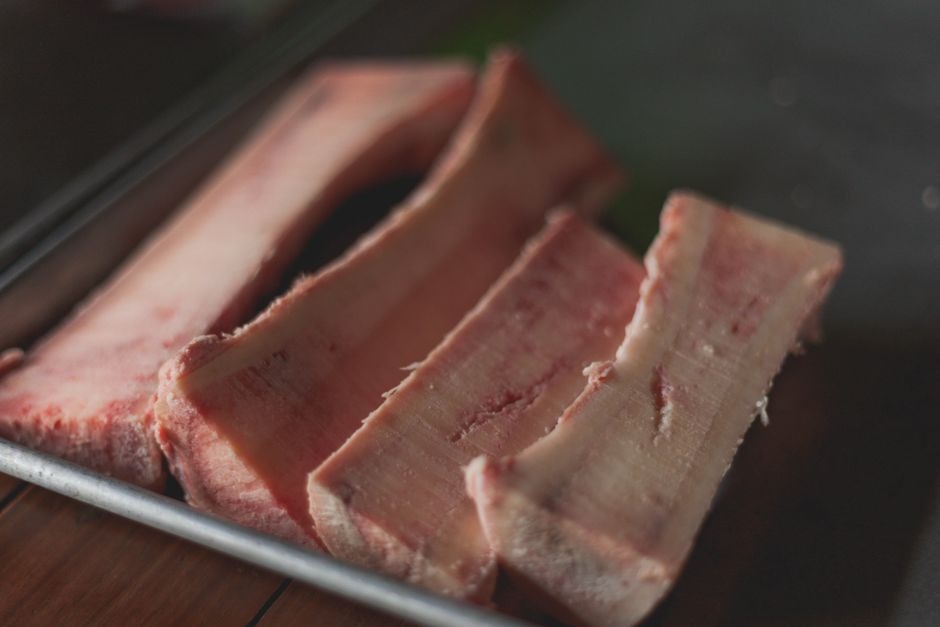
Marrow bones add richness, while joints and knuckles contain connective tissue that can contribute gelatin and body. Meaty bones bring another layer of savory flavor. Using a mixture can therefore produce a more balanced stock than relying heavily on a single type.
You do not need an enormous quantity of meat attached to the bones, either. The goal is to create a flavorful foundation that can later become part of soups, sauces, stews, braises, and other dishes.
For cooks who would rather shorten the traditional stovetop process, a homemade pressure cooker beef stock recipe offers another way to extract plenty of flavor without keeping a stockpot simmering for most of the day.
Whichever method you choose, the fundamentals remain surprisingly similar: start with good ingredients, avoid drowning them in water, and give them enough time to release their flavor.
Browning Is Where Deeper Flavor Begins
If you want a darker, richer beef stock, roasting the bones before they meet the water can make a noticeable difference.
As the bones and bits of meat brown, they develop deeper roasted flavors. The vegetables can be roasted alongside them for additional complexity, although they should be deeply browned rather than burned.
Those browned bits left behind on the roasting pan are useful too. Deglazing the pan with a little hot water and scraping them up lets you transfer that concentrated flavor into the stockpot instead of leaving it behind.
This distinction is part of what separates different styles of stock. Roasting the bones is commonly used when making a darker brown stock, while unroasted bones produce something lighter and more delicate.
Neither approach is automatically better. It depends on what you want the finished stock to do. For hearty sauces, braises, and deeply flavored soups, that extra browning can be well worth the effort.
Keep the Aromatics Simple
This is not the moment to empty every slightly tired vegetable from the refrigerator into the pot.
Beef stock benefits from restraint.
Onion, carrot, and celery provide a dependable aromatic base. Garlic, parsley stems, bay leaves, and whole peppercorns can add another layer without competing with the beef.
Strong vegetables and aggressive herbs can easily dominate after several hours of cooking. Too much rosemary, for example, may leave you with something that tastes more like rosemary tea with beef in the background.
Think of the vegetables as supporting actors. They should make the stock taste fuller without becoming the first thing you notice.
Don't Dilute All That Flavor
Once the roasted bones and aromatics are in the pot, add enough cold water to cover them without filling the pot unnecessarily.
Using too much water is one of the easiest ways to end up with weak stock.
The goal is extraction and concentration. You want enough liquid to circulate around the ingredients, but not so much that the finished stock needs hours of additional reduction simply to taste like something.
On the stovetop, bring everything up to temperature and then maintain a gentle simmer rather than an aggressive boil. The surface should look calm, with occasional bubbles rather than constant turbulence.
A stockpot rewards patience more than enthusiasm.
Let Time Do the Heavy Lifting
Once the stock is gently simmering, there is surprisingly little to do.
Foam and other material may rise to the surface early in the process. Skimming it periodically can help produce a cleaner-looking finished stock. After that, mostly leave the pot alone.
There is no need for constant stirring. Check the simmer occasionally and make sure the ingredients remain reasonably submerged, particularly during the earlier stages of cooking.
Traditional stovetop beef stock can take several hours to develop its flavor and body. Pressure cooking can shorten that process considerably because the higher-pressure environment allows extraction to happen more quickly.
Either way, cooking longer is not automatically better. Eventually, vegetables lose their freshness and the flavor can become muddy. Taste is a better guide than simply trying to achieve the longest possible cooking time.
Give the Finished Stock a Clean Ending
Straining may seem like the least interesting part of making stock, but it has a surprisingly large effect on the final result.
Remove the large bones and vegetables first, then pour the liquid through a fine-mesh strainer. If you want an especially clear stock, you can line the strainer with cheesecloth or another suitable fine filter.
Avoid aggressively pressing the cooked solids through the strainer. You may squeeze out a little more liquid, but you can also push fine particles into the stock.
Then comes an important step: cooling.
A large pot of hot liquid can take a long time to cool, so dividing the stock into smaller containers or using an ice bath can speed things up. Once chilled, the fat generally rises and firms on the surface, where it can easily be removed if desired.
Do not be alarmed if the cold stock jiggles. That gelatinous texture is one of the characteristics that can give homemade stock such satisfying body when heated again.
Hold Back on the Salt
One of the smartest things you can do with homemade stock is resist seasoning it like a finished soup.
Stock is an ingredient, and you do not necessarily know how it will eventually be used. It may go directly into a soup, or it might be reduced considerably to make a sauce.
If it begins heavily salted, reduction can concentrate that salt along with everything else.
Keeping stock unsalted or only lightly seasoned gives you more control later. You can season the finished dish according to what it actually needs.
This is particularly useful when using stock in gravies, braises, and pan sauces where the liquid may reduce substantially.
Make the Effort Pay Off Later
The best part of homemade stock may be what happens after you make it.
Instead of producing only enough for tonight's dinner, prepare a larger batch and freeze what you will not use immediately. Smaller portions are especially convenient because you can pull out exactly what a recipe needs.
You can even reduce finished stock before freezing it. Concentrating it saves freezer space and creates a powerful little flavor base that can later be diluted or added directly to sauces and braises.
For more on how stock behaves differently from broth, this explanation of the difference between stock and broth is useful. Stock generally gets more of its body from bones and the gelatin they produce, while broth tends to be thinner and more focused on meat flavor.
That extra body is exactly why a few spoonfuls of good homemade stock can transform a sauce or give a simple soup a noticeably richer texture.
A Good Stock Doesn't Need to Be Complicated
Homemade beef stock has a reputation for being an all-day culinary project, but most of that time is passive.
The real work happens in a handful of decisions: choosing a useful mixture of bones, browning them when you want deeper flavor, keeping the aromatics restrained, using the right amount of water, and allowing everything to cook gently.
After that, strain it carefully, cool it properly, and save it in portions you will actually use.
Once there are a few containers waiting in the freezer, the effort starts to make sense. Soups gain body, sauces taste deeper, braises become richer, and ordinary recipes suddenly have a much better starting point.
Sometimes the secret to a better meal is something you made weeks before you knew what was for dinner.
Photo Gallery


Comments