Blog
How Organic Herbs Help Home-Based Food Businesses Stand Out in 2026
A crowded farmers
market stall and an identical-looking online shop selling the same style of
spice blend face the exact same problem in 2026: customers have never had more
options, and "homemade with love" no longer differentiates a business
the way it once did. What increasingly is verifiable sourcing, a supplier a
customer can actually check, not just a claim printed on a label. That shift
has real implications for home-based food businesses specifically, since they
compete directly against larger brands with none of the marketing budget to
match.
Understanding why
certified organic herbs specifically have become a genuine point of
differentiation, rather than a nice-to-have detail, explains a shift already
reshaping how small food businesses position themselves.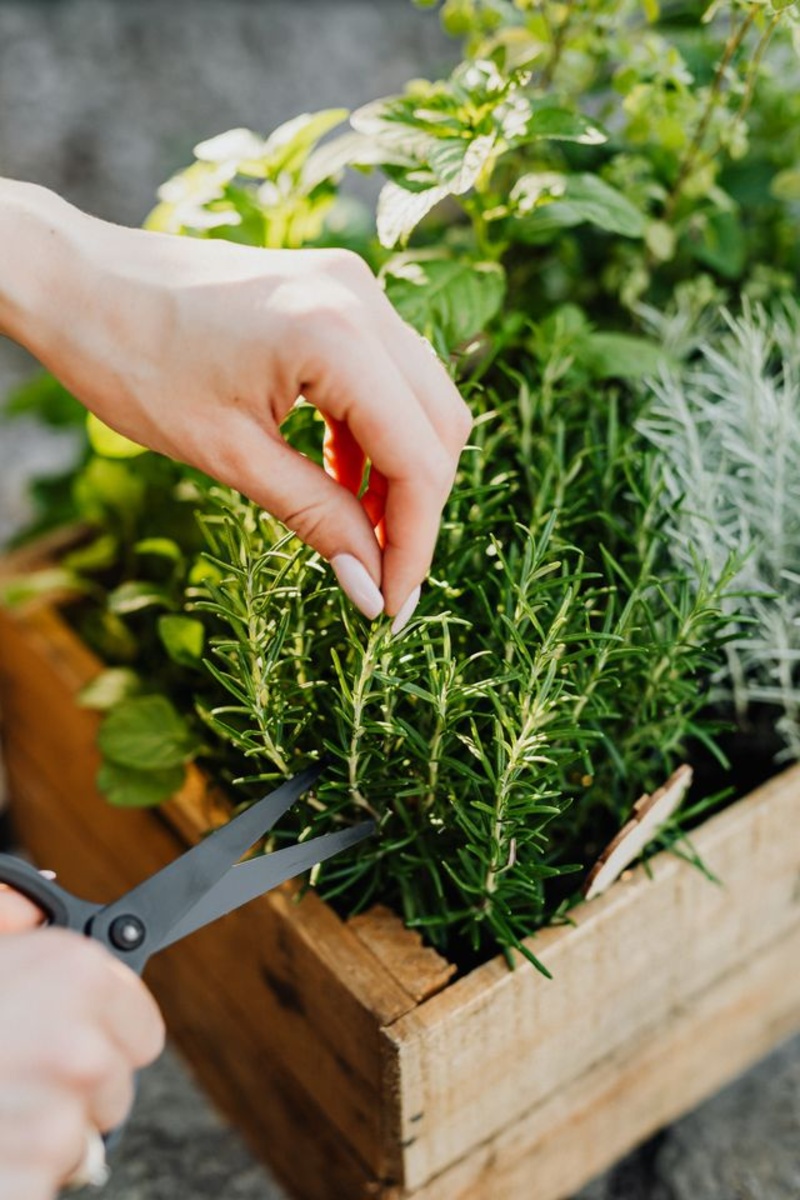
Photo by https://kaboompics.com/
Home-Based Businesses Face the Same
Rules as Any Other Food Business
This surprises a lot
of new operators. According to Food Standards Australia New Zealand's official guidance on home-based food businesses,
a home-based operation, whether it's preparing food for markets, catering, or
online sales, must comply with the same Food Standards Code requirements as any
other food business, regardless of its size or how often it sells. FSANZ's
guidance specifically recommends keeping records of ingredients and suppliers
as part of basic food traceability, a requirement that applies just as much to
a kitchen-table spice blender as it does to a large commercial processor.
A supplier that can't
provide that kind of documentation on request leaves a home-based business
exposed exactly when a customer question or a council inspection actually asks
for it, often well after the sale has already happened.
Certification Solves a Trust Problem
Small Businesses Can't Solve Alone
A large, established
brand can lean on years of reputation to reassure customers about ingredient
quality. A home-based business rarely has that luxury, which makes third-party
certification a genuinely useful substitute for brand recognition it hasn't built
yet. Independent verification against a public product schedule gives a
home-based seller something concrete to point to, since anyone can check the
certificate directly rather than relying on the seller's own word.
That distinction
matters more than it might seem, since a growing share of customers now
actively look for exactly this kind of independently checkable claim before
trusting an unfamiliar small business with their money.
Documentation Matters More Than Most
New Operators Realize
A handful of specific
documents tend to matter most once a home-based business starts scaling past a
hobby:
●
A supplier's current organic
certificate, ideally one publicly verifiable rather than simply claimed
●
Certificates of analysis
confirming what's actually in a given batch of ingredients
●
Country of origin documentation,
increasingly expected by customers and required for certain labelling claims
●
Batch traceability records, useful
both for customer questions and in the rare event of a recall
None of these
documents are difficult to obtain from a genuinely certified supplier, but
their absence becomes a real liability the moment a claim gets challenged or an
inspection asks for backup.
Sourcing From a Verifiably Certified
Supplier Simplifies This Entirely
Home-based operators
building a genuine organic offering often source organic herbs from suppliers whose
certification can be checked directly rather than taken on trust.
The Herbal Connection
holds active SCX Organic Certification as both a supplier and processor, with
its certificate and product schedule publicly verifiable online, alongside
certificates of analysis and traceability records available on request.
That level of
verifiability removes an entire category of due diligence work a home-based
business would otherwise have to build itself, letting the seller simply point
customers to an independently audited source instead.
Verified Sourcing Becomes a
Differentiator
For a home-based food
business competing against considerably larger operations, verified organic
sourcing offers something a marketing budget can't easily replicate: a
genuinely checkable claim.
A small-batch spice
blend or tea sold with a traceable, certified ingredient story tends to justify
a premium price point that an unverified "artisan" label alone
increasingly struggles to support in a market where customers have gotten more
skeptical of unbacked claims.
Conclusion
Standing out as a
home-based food business in 2026 increasingly comes down to something more
concrete than presentation or story. It comes down to whether a customer, or a
council inspector, can actually verify what's being claimed about an
ingredient's origin and quality.
Certified organic
herbs sourced from a supplier with public, checkable documentation solve that
problem directly, giving a small operation the same kind of verifiable trust a
much larger brand spends years and marketing dollars building. In a market where
anyone can claim to be organic, the businesses that can actually prove it are
the ones customers increasingly choose to believe.
Photo Gallery


Comments