Blog
How to Choose the Right Commercial Refrigeration for Your Restaurant Kitchen
Every restaurant kitchen depends on two things: good food and reliable equipment. A well-designed menu means little if cold storage fails during a busy service. Commercial refrigeration is one of the most important investments a food business will make, yet it is often overlooked until something breaks down.
Whether you are opening a new cafe, upgrading an aging kitchen, or looking to keep food safe while managing energy costs, understanding the basics of commercial refrigeration can help you make better decisions and avoid costly mistakes.
Why Commercial Refrigeration Is Different from Home Appliances
A standard fridge from a home appliance store is not built to handle the demands of a commercial kitchen. Restaurant refrigeration units are designed to recover temperature quickly after frequent door openings, hold large volumes of stock, and operate reliably for long hours.
Commercial refrigeration also needs to meet food safety requirements set by local health authorities. Cold storage must stay consistently cold enough to keep food safe, and freezers need to remain reliably below freezing. A unit that cannot hold a steady temperature puts food, customers, and the business at risk, which makes this an area worth investing in properly.
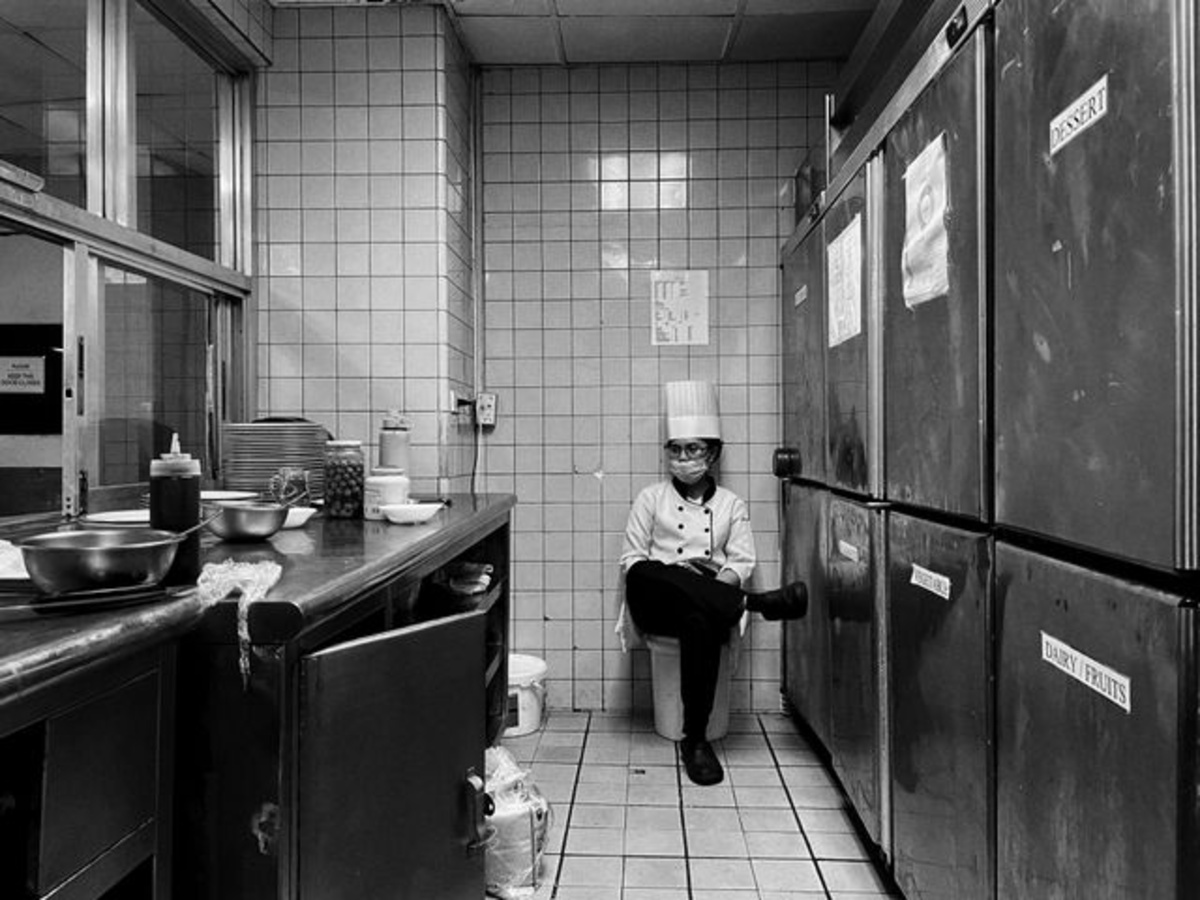 Photo by Gillian Gamboa
Choosing Between Walk-In and Reach-In Units
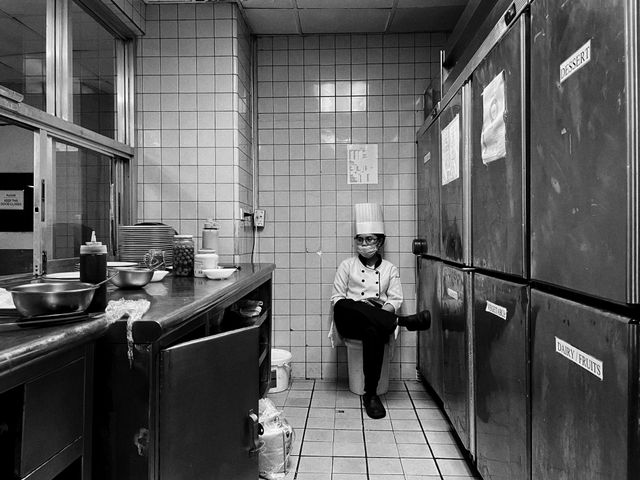
Photo by Gillian Gamboa
Choosing Between Walk-In and Reach-In Units
Most commercial kitchens use a combination of walk-in cold rooms and reach-in units. Walk-in refrigeration suits kitchens that need to store large volumes of produce, meat, or dairy, particularly restaurants that prep ahead of busy service periods. Reach-in units work well for smaller kitchens or locations where staff need quick access to ingredients during service.
The right combination depends on the menu, delivery frequency, and how much preparation happens on-site each day. A small cafe may only require a couple of reach-in fridges, while a full-service restaurant with an extensive menu may need both a walk-in cold room and several reach-in units positioned across different stations.
The Role of Commercial Freezers in Kitchen Efficiency
Commercial freezers are just as important as refrigeration, particularly for kitchens that batch-prepare sauces, stocks, or baked goods in advance. A well-planned freezer setup allows a kitchen to buy in bulk, reduce food waste, and prepare during quieter periods so service runs more smoothly.
When selecting commercial freezers, it is worth considering available space and how staff will use the units day to day. Kitchens with limited floor space often benefit from upright freezers, while kitchens with greater storage needs may prefer chest freezers or a dedicated freezer room. Consulting a supplier with experience in commercial kitchens is recommended, as the ideal setup depends on the specific menu and workflow of the business.
Energy Efficiency Matters More Than Ever
Commercial refrigeration and freezer units operate continuously, making them one of the largest contributors to a commercial kitchen's energy costs. Choosing well-built, energy-efficient equipment benefits both the environment and the bottom line.
Several factors contribute to efficiency, including quality door seals, adequate insulation, and positioning units away from ovens or other heat sources. Regular maintenance also plays an important role, as equipment working harder to stay cool consumes more energy and wears out faster.
Maintenance Keeps Your Kitchen Running
Even reliable commercial refrigeration requires regular care. Keeping units clean, checking door seals for gaps, and avoiding overloaded shelves all help equipment last longer and maintain steady temperatures. Any changes in performance, such as unusual noise or difficulty maintaining temperature, should be addressed promptly before they develop into larger problems.
Scheduling periodic professional inspections is a sound practice, particularly for busy kitchens where downtime carries a real cost. Identifying a minor issue early is almost always more cost-effective than managing a full breakdown during service.
Training staff on proper use also supports equipment longevity. Simple habits, such as closing doors fully, avoiding overstocking, and reporting issues promptly, can meaningfully extend the working life of refrigeration and freezer units while keeping food storage consistent and compliant.
Working with the Right Supplier
Selecting commercial refrigeration and commercial freezers deserves careful consideration. It is worth partnering with a supplier who understands the demands of commercial kitchens rather than general appliances. A knowledgeable supplier can help determine the right size and configuration for the space and provide ongoing servicing so equipment lasts for years rather than months.
There are businesses that specialize in working with restaurants and food businesses on their cooling needs, from planning the right setup to ongoing servicing. Seeking advice early in the process can help avoid costly mistakes and ensure the kitchen is set up correctly from the outset.
A Smart Investment for Your Kitchen
Commercial refrigeration and commercial freezers are not simply appliances. They form the backbone of a functioning kitchen. Taking the time to select the right equipment, and maintaining it properly, protects food quality, staff safety, and business profitability. A well-planned cold storage setup pays for itself over time through reduced waste, lower energy costs, and fewer unexpected breakdowns.
Photo Gallery


Comments