Blog
How To Prevent UV Damage To Your Home
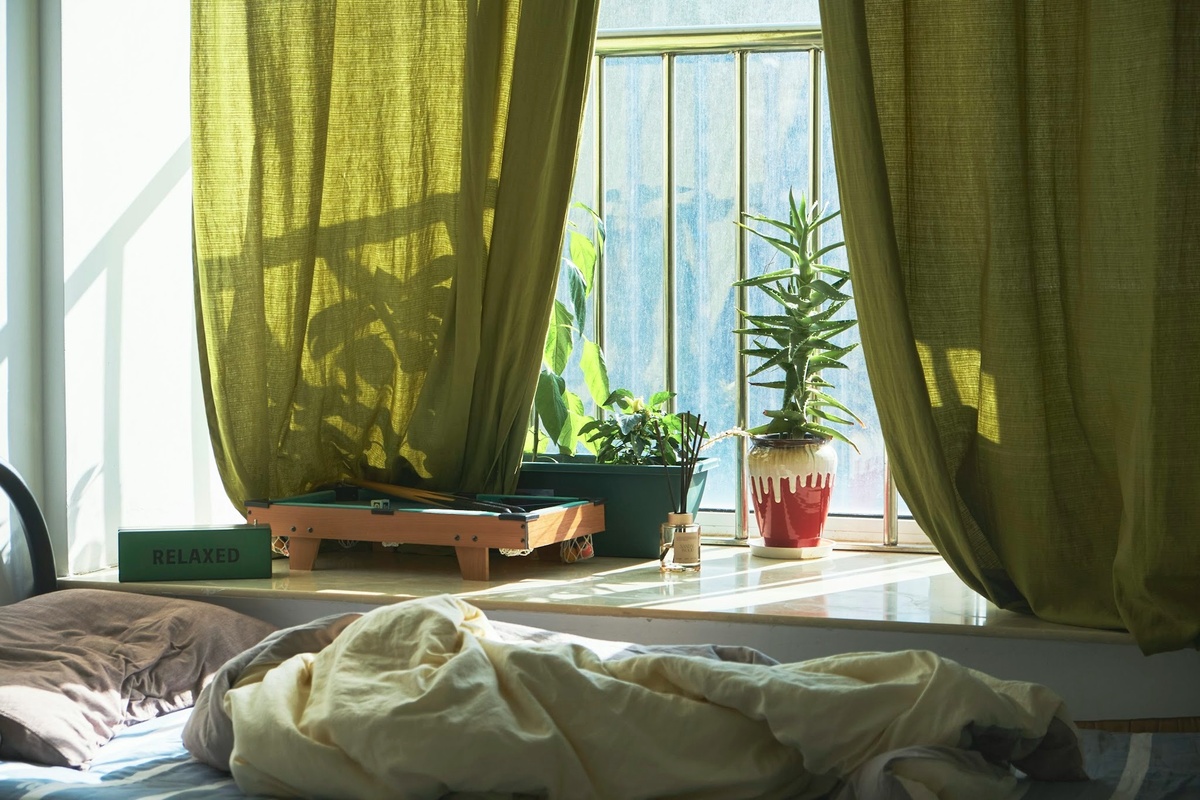
Ultraviolet light isn't just something that can damage your skin; it can also affect your home. Too much incoming light through windows, for example, can fade your furniture and carpets and destroy your hardwood floors. It can even damage expensive artwork or harm your curtains or upholstery, at least the parts that are in contact with the light.
Outdoors, the fading can also be severe. Ultraviolet light can damage paint, make your siding brittle, degrade roofing materials, and even warp your exterior decking.
What can you do to protect your home? What options are available?
Protect your interiors with ultra-violet window film
One option is to protect your interiors with ultraviolet window film. This is a thin film that fits over the exterior surface of your windows and blocks out more than 99% of incoming UV light. Not only is this helpful for protecting your skin when you are sitting by the window, but it can also reduce the risk of fading, especially if there are organic materials like cotton nearby.
Depending on your location, you may be able to get ultraviolet window film that deflects some of the sun's heat. This is doubly beneficial because it reduces the need for your HVAC to work so hard.
Invest in solar shades
You could also invest in solar shades. These are essentially screens that block out the majority of incoming UV rays while permitting visibility and some airflow. Some shades are cellular or have a honeycomb design. Many are made of soft fabrics with a high UPF rating to ensure they don’t become brittle or damaged over time.
If solar shades aren't available, you could opt to close curtains or blinds; however, standard window fittings don't have UV protection.
Rearrange furniture and rugs out of the way
If window protection is not an option, you could rearrange furniture, artwork, and rugs out of the way of direct sunlight. Once sunlight bounces around the room, it loses a lot of its energy, so it's just direct sunlight that you need to be concerned about.
Use UV inhibitors on hardwood floors
Sometimes you can't move objects in your home out of the reach of direct sunlight. This is true specifically for hardwood floors. For these, it's a good idea to use UV inhibitors. These prevent ultraviolet rays from damaging the floor, even if they come into contact with it. UV inhibitors are special chemicals, a bit like sunscreen, that absorb the energy of incoming light and deflect it without it needing to distribute its energy into the underlying material.
Opt for factory-finished, UV-protected siding
Another thing you'll want to do is opt for factory-finished, UV-protected siding. This type of siding, often made of vinyl, is much less likely to degrade over time and doesn't require constant repainting or resealing.
You can also get steel siding with fade warranties. Steel is an extremely robust material and isn't affected as much by UV. Just make sure that the steel has added chrome so that it doesn't corrode over time.
Photo Gallery


Comments