Blog
Lowering Your Heating Costs: A Homeowner's Guide to a More Efficient Furnace

Image Credit: Pexels
That moment when your winter energy bill makes your jaw drop a little? Yeah, we've all been there. As the temperatures outside fall, it's totally normal for heating costs to creep up. But when your bill seems to skyrocket overnight, it's easy to feel frustrated and wonder what's really going on. More often than not, the answer points to the hardest-working appliance in your home during winter: your heating system. A surprisingly high bill isn't just a budget headache; it's often a big hint that your furnace is struggling to keep up.
Understanding Energy Bill Spikes
It's pretty standard for your energy use to climb during the coldest months. Your home's heating system simply has to work longer and harder to keep things comfy indoors when it's freezing outside. So, a gradual increase that matches the weather usually isn't anything to worry about.
However, a sudden and really big jump can be a red flag. If your bill is 30%, 40%, or even 50% higher than the same month last year, even though the weather was similar, something's probably off. Often, rising energy bills signal heating system problems, meaning your furnace is guzzling way more energy than it should just to do its job. This inefficiency means you're paying more but getting less comfort.
When to Consider a Furnace Upgrade
Sometimes, no amount of tinkering can fix an old, tired furnace. If your system is constantly letting you down, it might be time to think about a more permanent solution. Key signs that your furnace is nearing the end of its life include how old it is, how often it needs fixing, and if it's just not performing consistently. Most furnaces hang in there for about 15 to 20 years.
If your unit is in that age range and you're calling for repairs more than once a season, those costs can really add up. You might also notice that some rooms are toasty while others are chilly, or the furnace starts making strange rattling or banging noises. When you're facing constant issues, a furnace replacement often turns out to be the smartest financial move. A modern, energy-efficient model won't just give you reliable heat; it can also seriously cut down your monthly energy use.
Common Heating Inefficiencies
Before you jump to conclusions, it's a good idea to check for some common problems that can make your furnace work overtime. Many of these are easy fixes you can handle yourself.
Dirty Air Filters: A clogged filter is one of the most frequent reasons a furnace becomes inefficient. It blocks airflow, forcing the system to strain just to push air around. Check your filter monthly and swap it out when it looks dirty.
Blocked Vents and Registers: Make sure furniture, rugs, or curtains aren't covering your air vents. Every blocked register messes with airflow and can lead to some rooms being warm while others are cold.
Leaky Ductwork: Ducts running through attics, crawlspaces, or basements can develop leaks over time. These leaks let heated air escape before it even reaches your living areas, wasting energy and money.
Tips for Lowering Heating Costs
Beyond furnace-specific issues, a few simple tweaks around the house can really help save on your heating bill.
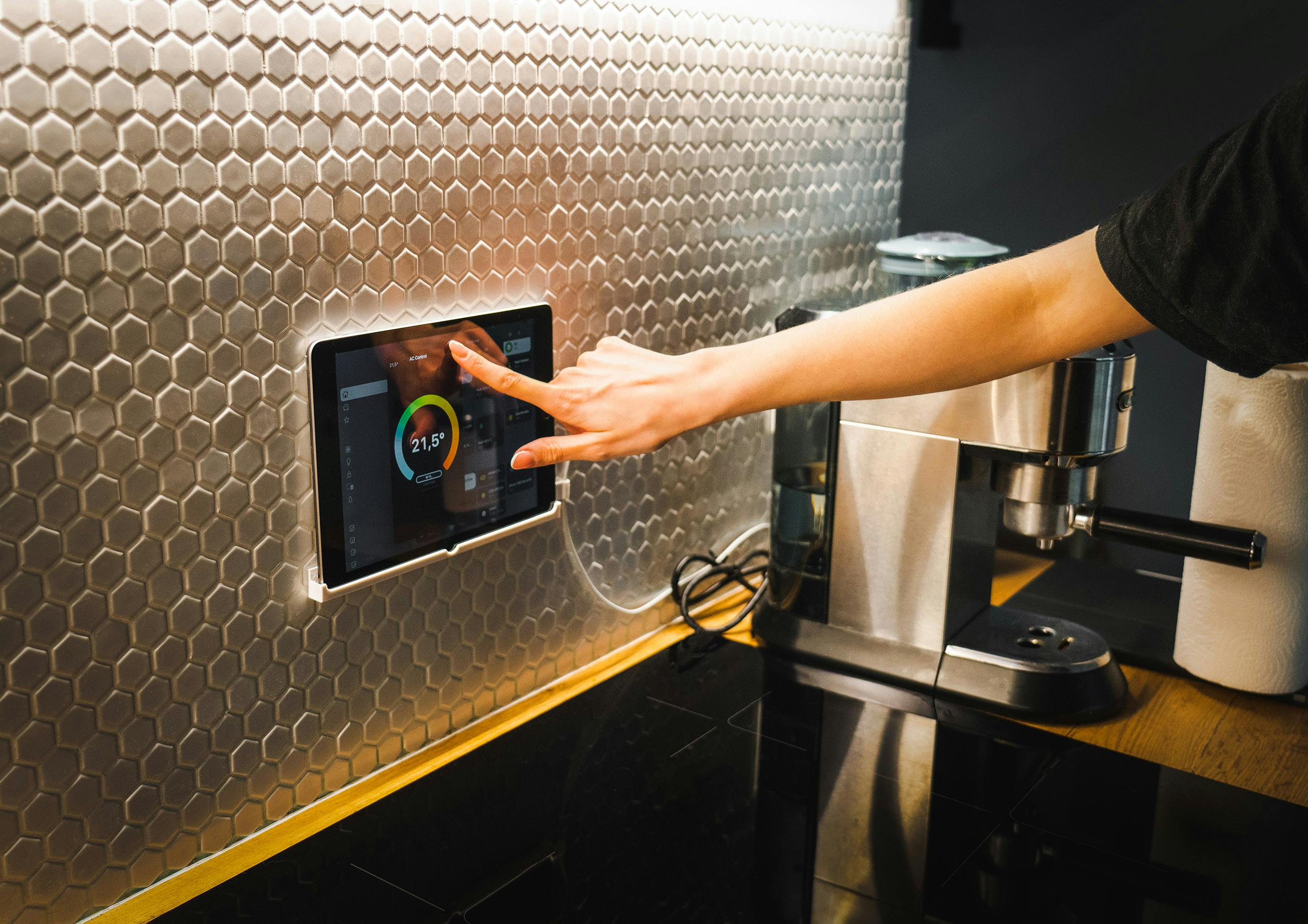
First, take charge of your thermostat. If you don't have a programmable or smart thermostat, it might be worth getting one. Setting it to a lower temperature overnight or when you're out of the house can cut your energy use without making you uncomfortable. Even a few degrees makes a difference. Sealing up air leaks around windows and doors with weatherstripping or caulk is another easy and effective fix. For those thinking about bigger upgrades, it's good to know that for many homeowners, a heat pump can lower bills and offer a super-efficient alternative to traditional systems.
Maintaining a Healthy Home System
Think of your home's heating system like your car; it needs regular tune-ups to run smoothly and avoid breaking down on the coldest day of the year. Scheduling an annual maintenance check with a professional is the best way to keep your furnace in tip-top shape. A technician can clean internal parts, check for safety issues like carbon monoxide leaks, and make sure everything is working correctly. This kind of preventative care doesn't just make things more efficient and lower your energy bills; it also helps your furnace last longer, saving you from a costly replacement down the road.
Tackling high heating costs doesn't have to feel overwhelming. Start small by checking your air filter or sealing a drafty window this weekend, or check out these tips on how to make your home cozier ahead of winter. Every little bit helps keep your home cozy and your budget happy.
Photo Gallery


Comments