Blog
A Modern Consumer Guide to Cannabis Edibles
Cannabis edibles have moved from a niche curiosity into a regulated consumer category over the past several years. The legal markets in Canada, parts of the United States, and elsewhere have produced a wider range of products than most consumers realize. Dosage labelling, third-party testing, and structured retail channels now sit inside the framework.

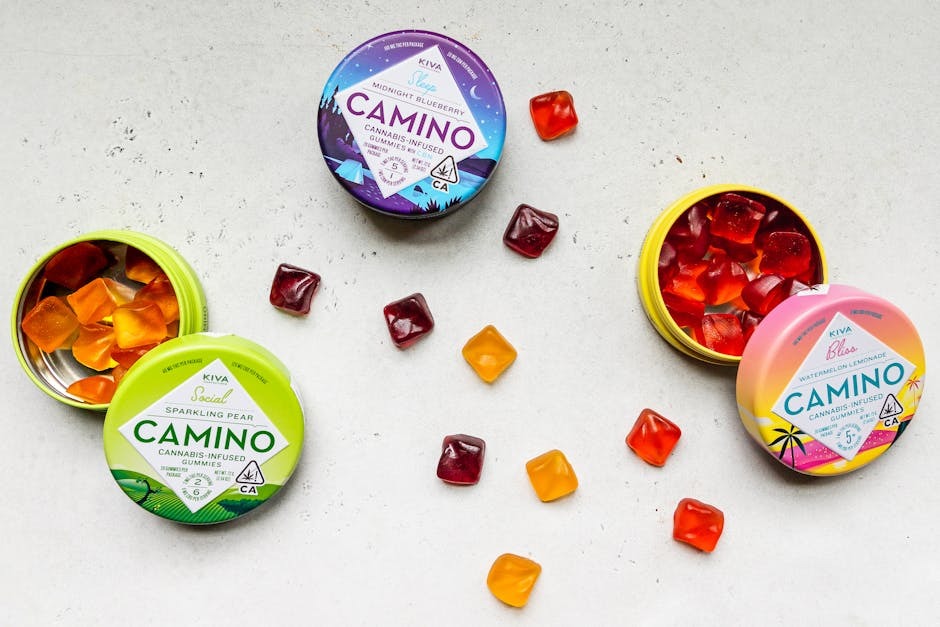
Photo by Elsa Olofsson on Pexels
Alt text: An assortment of regulated cannabis-infused gummies in modern consumer packaging
For consumers in legal markets, the access channels have matured alongside the product range. Retail platforms covering best online edibles Canada walk through the practical purchasing experience in the Canadian context. The framework below covers what informed consumers should know about the modern cannabis edibles market and the decisions that shape a responsible purchase.
Why Has the Cannabis Edibles Category Grown So Quickly?
The cannabis edibles category has grown because legalization in Canada and several US states has produced regulated supply chains, consumer-friendly packaging, and predictable purchasing channels. The market has expanded beyond the chocolate-and-gummies image into beverages, baked goods, mints, and confectionery.
Three structural reasons explain the expansion. First, the regulated framework requires testing, dosage labelling, and packaging standards that build consumer confidence. The US Food and Drug Administration's cannabis regulation questions and answers covers the federal-side framework.
Second, the product range has expanded substantially. Manufacturers compete on flavour, dose precision, and ingredient quality alongside the basic cannabis content.
Third, the consumer experience has improved. Online retail, predictable packaging, and clear labelling produce a purchasing experience closer to other consumer-product categories than to the pre-legalization era. The Canadian Food Inspection Agency's food labels resource covers the broader food-labelling framework that informs the consumer-protection layer.
What Six Factors Define a Modern Edibles Purchase?
Six factors usually shape a well-informed cannabis edibles purchase in legal markets.
Dosage precision. Products with clear THC and CBD content per piece allow consumers to dose accurately.
Third-party lab testing. Tested products with publicly available results carry meaningfully higher consumer confidence.
Onset time. Edibles take longer to take effect than inhaled cannabis, so the consumer plans accordingly.
Storage and freshness. Childproof packaging, freshness dates, and proper storage protect both the product and the household.
Ingredient transparency. Quality manufacturers list ingredients clearly alongside cannabis content.
Regulatory compliance. Buying from licensed retailers ensures the product meets jurisdictional standards.
A consumer running 4 or 5 of these factors usually purchases edibles with the same care they would bring to any other regulated consumer category.
How Should a First-Time Consumer Approach Edibles?
Five practical patterns shape an informed first-time edibles purchase.

Photo by Elsa Olofsson on Pexels
Alt text: Cannabis-infused chocolate edibles with clear dosage labels
The first is the start-low-go-slow principle. First-time consumers begin with the lowest available dose and allow full onset time before considering additional consumption. Coverage of examining whether Poppi has caffeine reinforces how modern consumers now read ingredient panels carefully before consuming any specialty product.
The second is the patience window. Edibles typically take 30 minutes to 2 hours to take effect, much longer than inhaled cannabis. The consumer waits the full window before reconsidering.
The third is the trusted-retailer choice. Licensed retailers in legal jurisdictions provide quality assurance the consumer cannot get from unregulated sources.
The fourth is the storage discipline. Edibles need childproof, pet-proof, and clearly-labelled storage that prevents accidental consumption. The packaging often supports this if used properly.
The fifth is the social context awareness. Cannabis edibles affect each person differently. The consumer chooses a setting where they feel safe and supported during the experience. Coverage of different mixes for tequila and vodka drinks reinforces how adult consumer products in general benefit from careful situational awareness.
What Are the Common Edibles Purchase Mistakes?
A purchase mistake is a consumer choice that produces a poor experience or safety concern.
The first is the overdose-by-impatience pattern. Consuming additional edibles before the first dose has had time to take effect produces the most common edibles overdose scenario.
The second is the wrong-retailer choice. Buying from unlicensed sources removes the testing, labelling, and quality-assurance protections regulated markets provide.
The third is the no-storage default. Leaving edibles in candy-like packaging accessible to children, pets, or guests creates real risk.
The fourth is the mixed-substance trap. Combining edibles with alcohol or other substances changes the effect profile in ways that often surprise the consumer.
The fifth is the inexperienced-consumer high-dose start. Beginning with high-THC products before understanding personal tolerance frequently produces uncomfortable experiences.
A Quick Edibles Purchase Reality Check
Confirm the retailer is licensed in your jurisdiction
Check the product's dosage labelling and lab testing
Plan for the full onset window before consuming more
Store products in childproof, pet-proof packaging
Choose a calm and familiar setting for first-time use
The Honest Bottom Line for Modern Edibles Consumers
Cannabis edibles have matured into a regulated consumer category that rewards the informed buyer. The decisions are straightforward once the framework is understood: licensed retailer, accurate dosage, patience for onset, safe storage, and supportive context.
The investment in understanding the framework is modest compared to the difference it makes in the consumer experience. Consumers in legal markets who approach the category with the same care they bring to other regulated products usually have safer and more satisfying experiences.
Frequently Asked Questions
How Are Cannabis Edibles Different From Inhaled Cannabis?
Edibles are processed through the digestive system rather than absorbed through the lungs. The onset takes longer (30 minutes to 2 hours) and the effects last longer (4 to 8 hours typically) than inhaled cannabis.
What Is a Safe Starting Dose for First-Time Consumers?
Most legal jurisdictions sell edibles in 2.5mg or 5mg THC portions. First-time consumers typically benefit from starting at 2.5mg or less and waiting the full onset window before considering more.
Are Cannabis Edibles Legal Everywhere in Canada?
Cannabis is regulated for adult use across Canada under the federal Cannabis Act, with provincial-level rules governing retail and consumption. The specific regulations vary by province, so consumers should confirm the local framework.
How Should I Store Cannabis Edibles at Home?
Childproof packaging, separate storage from regular food, and clear labelling all reduce the risk of accidental consumption. Many edibles come in childproof packaging that should be reused for ongoing storage.
Photo Gallery


Comments